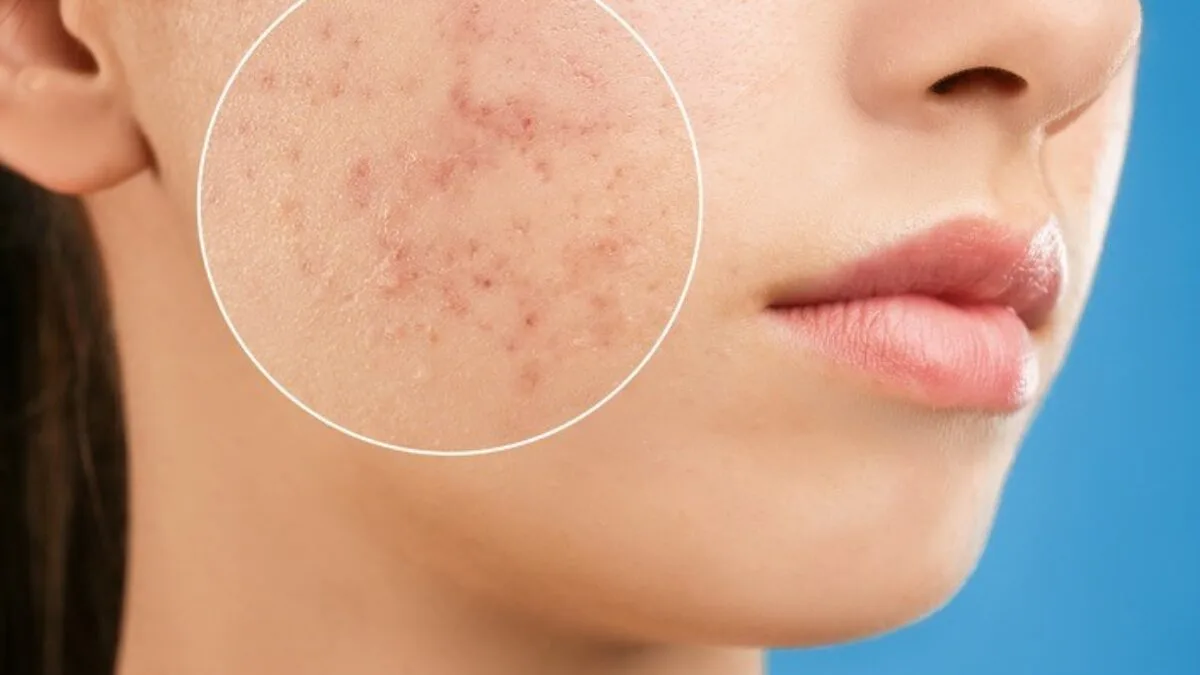
Active Acne Management: Causes, Skincare Routine and Treatment Options
Active acne is one of the most common skin concerns affecting teenagers and adults. It develops when hair follicles become clogged with excess oil, dead skin cells and other impurities. Acne can appear on the face, forehead, cheeks, chin, chest and back. It may cause whiteheads, blackheads, red pimples and deeper painful spots.
Although acne is common, it can affect confidence and make people uncomfortable about their appearance. Understanding the causes of active acne and following a suitable skincare routine can help manage breakouts and support healthier-looking skin.
At The Skin Care Studio Lahore, understanding individual skin concerns is an important part of exploring suitable skincare options.
What Is Active Acne?
Active acne refers to ongoing breakouts that include clogged pores, inflamed pimples and other acne lesions. It occurs when oil and dead skin cells accumulate inside hair follicles, creating an environment where inflammation can develop.
Acne can range from mild to severe. Some people experience occasional whiteheads and blackheads, while others develop frequent inflamed pimples or painful deep lesions.
Active acne should be managed carefully because squeezing, picking or using unsuitable skincare products can increase irritation and contribute to dark spots and acne scars.
Common Causes of Active Acne
Several factors can contribute to the development of acne. Excess oil production is one of the main factors. When the sebaceous glands produce more oil, it can combine with dead skin cells and block pores.
Hormonal changes can also influence oil production. This is why acne is common during puberty and may also occur during adulthood. Some individuals experience recurring breakouts around the chin and jawline.
Bacteria associated with acne can contribute to inflammation inside blocked follicles. Genetics may also play a role, meaning people with a family history of acne may be more likely to experience breakouts.
Other possible triggers include stress, friction, certain skincare products and excessive use of harsh exfoliants. Acne is not simply caused by poor hygiene, and washing the face repeatedly does not necessarily prevent breakouts.
Different Types of Active Acne
Understanding the type of acne can help determine an appropriate management approach.
Whiteheads develop when pores become blocked and remain closed at the surface. They usually appear as small white or skin-coloured bumps.
Blackheads are open clogged pores that appear dark because their contents react with air. They are not simply dirt trapped inside the skin.
Papules are small, raised and inflamed pimples that may appear red and tender. Pustules are similar but contain visible pus.
Nodular acne develops deeper beneath the skin and can feel painful and firm. Deep, persistent acne lesions may increase the risk of permanent scarring and should be assessed by a dermatologist.
How to Build a Daily Skincare Routine for Acne
A consistent skincare routine is an important part of active acne management. Using too many products at once can irritate the skin, so it is better to keep your routine simple.
Start with a gentle cleanser to remove excess oil, sweat and everyday residue. Avoid harsh soaps and aggressive scrubbing because they may damage the skin barrier.
After cleansing, use a lightweight moisturiser suitable for acne-prone skin. Even oily skin needs hydration, and a suitable moisturiser can help maintain skin comfort.
During the morning, apply broad-spectrum sunscreen with SPF 30 or higher. Sun exposure can worsen the appearance of acne marks and contribute to skin damage.
At night, gently cleanse your face to remove sunscreen, makeup and environmental residue. If you use an acne treatment, follow its instructions and apply a suitable moisturiser afterward.
Skincare Ingredients That May Help Manage Acne
Certain skincare ingredients are commonly used to manage acne.
Salicylic acid helps exfoliate inside pores and may improve the appearance of blackheads and whiteheads. It can be useful for some people with clogged pores, although excessive use may cause dryness.
Benzoyl peroxide is commonly used for inflammatory acne. It helps reduce acne-associated bacteria and may be recommended as part of an acne treatment routine.
Niacinamide can support the skin barrier and may help improve uneven skin tone. It is frequently included in products designed for oily and acne-prone skin.
Azelaic acid may help manage certain types of acne and improve the appearance of post-acne pigmentation.
Retinoids are another category of acne treatments that help prevent clogged pores. However, they can cause irritation and should be used according to professional guidance. Retinoids should also be discussed with a healthcare professional during pregnancy or when planning pregnancy.
Not every ingredient is suitable for every person. Introduce active products gradually and avoid combining several strong treatments without professional advice.
Professional Treatment Options for Active Acne
When acne continues despite a suitable skincare routine, professional assessment may be helpful. A dermatologist or qualified healthcare professional can evaluate the severity of acne and recommend an appropriate treatment plan.
Depending on the condition, treatment may include topical medications, oral medications or selected professional skincare procedures.
Certain chemical peels may be considered for suitable patients, but they are not appropriate for every type of active acne. Deep, painful or severe acne generally requires medical assessment before cosmetic procedures are considered.
It is also important to distinguish active acne from acne scars and post-inflammatory hyperpigmentation. These concerns may require different approaches.
Explore the treatments available at The Skin Care Studio or learn more about common skin concerns.
How to Prevent New Acne Breakouts
Although acne cannot always be prevented, certain habits may help reduce irritation and support better skin management.
Avoid squeezing or picking pimples because this can increase inflammation and the risk of dark marks and scars.
Choose non-comedogenic skincare products that are less likely to block pores. Cleanse your face gently, particularly after exercise or sweating.
Keep hair products away from your forehead if they appear to trigger breakouts. Regularly clean items that come into contact with your face, such as pillowcases and makeup brushes.
Avoid changing skincare products too frequently. Give suitable treatments enough time to work and seek professional advice if your skin becomes irritated.
How Long Does Active Acne Take to Improve?
Acne treatment requires patience and consistency. Many treatments need several weeks before visible improvement begins, and more noticeable results may take a few months.
The timeline depends on the severity of acne, the type of treatment and individual skin response. Some people notice fewer new breakouts before their existing acne marks begin to fade.
If acne becomes painful, spreads, causes scarring or does not improve with suitable skincare, consult a dermatologist for further evaluation.
Frequently Asked Questions
1. What is the best way to manage active acne?
A suitable routine generally includes gentle cleansing, moisturising, daily sunscreen and appropriate acne treatments. Persistent or severe acne should be assessed by a dermatologist.
2. Can oily skin cause acne?
Excess oil can contribute to blocked pores, but acne develops through several factors, including inflammation, hormones and genetics.
3. Should I moisturise acne-prone skin?
Yes. A lightweight, non-comedogenic moisturiser can help maintain the skin barrier and reduce dryness.
4. Does sunscreen help with acne marks?
Sunscreen helps prevent sun exposure from making post-acne dark marks more noticeable. Choose a broad-spectrum SPF 30 or higher.
5. Can active acne leave permanent scars?
Yes. Particularly deep or inflamed acne can cause permanent scars. Early and appropriate treatment may help reduce this risk.
6. When should I seek professional acne treatment?
Consult a dermatologist if acne is painful, persistent, widespread, causing scars or not improving with an appropriate skincare routine.
Professional Skincare Guidance in Lahore
Active acne management requires an understanding of your skin type, breakout patterns and individual skincare needs. A consistent routine and suitable professional guidance can help manage breakouts and reduce the risk of long-term skin concerns.
At The Skin Care Studio Lahore, you can explore skincare services and discuss your skin concerns to understand which options may be suitable.
Visit The Skin Care Studio or contact the clinic for further information.
Disclaimer: This article is for educational purposes only and does not replace professional medical advice or diagnosis.