If you are looking for Pigmentation Treatment in Johar Town Lahore, The Skin Care Studio provides personalized skincare and aesthetic treatment options for people concerned about dark spots, uneven skin tone, post-acne marks and other forms of visible pigmentation.
Because pigmentation can have different causes and appearances, a professional skin assessment is an important first step before choosing a treatment.
Book a Consultation Visit Our Studio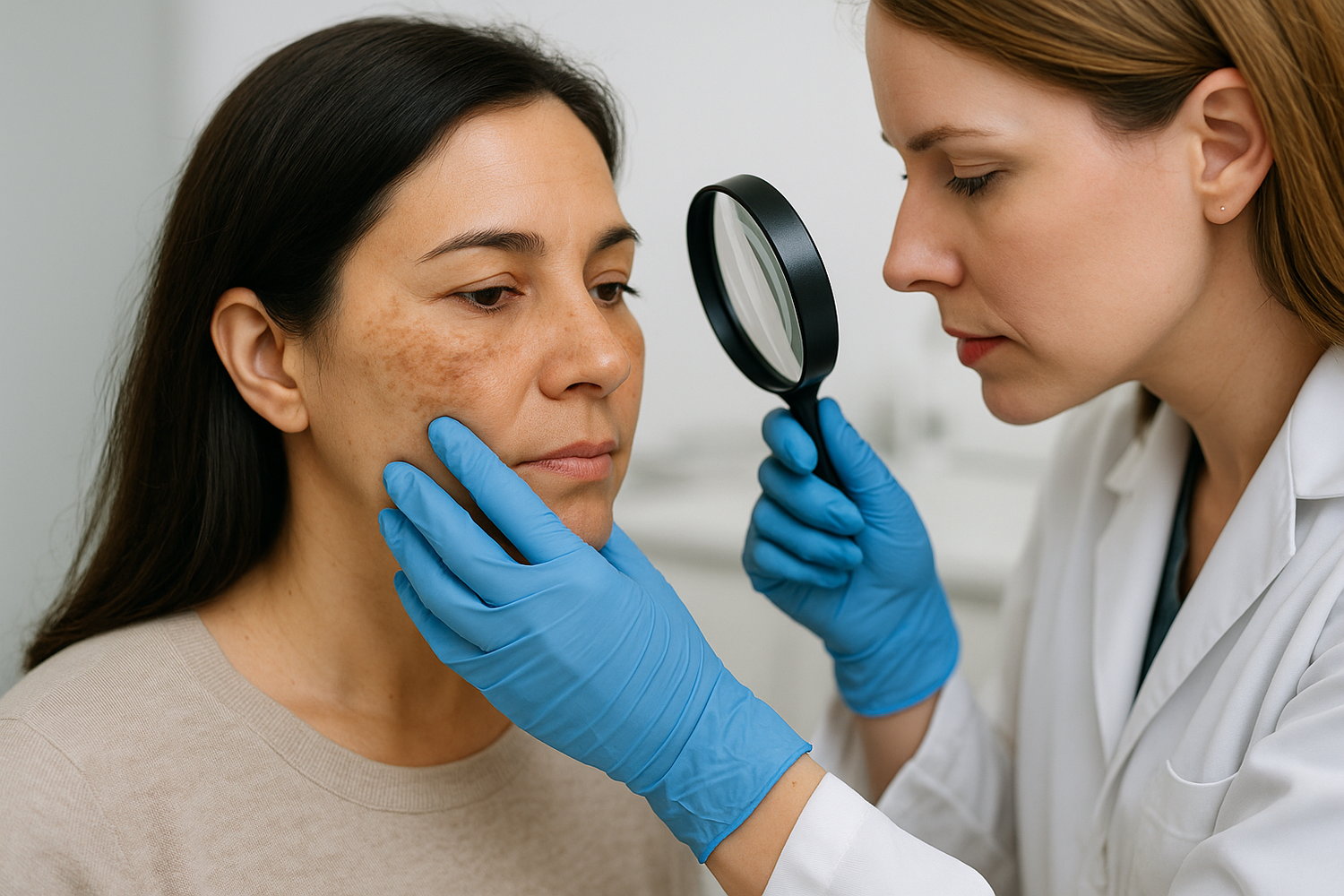
Skin pigmentation refers to changes in the colour or tone of the skin. It can appear as dark spots, uneven patches, post-acne marks or areas of discoloration. Factors such as sun exposure, previous skin inflammation, acne, hormonal changes and individual skin characteristics can contribute to pigmentation.
The Skin Care Studio is located at Office 40, Block C, PIA Housing Scheme, Lahore. The location is accessible for clients from Johar Town and nearby communities, including Wapda Town, Township, Faisal Town, Model Town, Garden Town, Valencia Town, PIA Road and Canal View.
Treatment planning should begin by identifying the type of pigmentation and understanding your skin condition. Different concerns may require different skincare approaches, and no single procedure is suitable for everyone.
Melanin is the natural pigment responsible for much of the colour of your skin. When melanin production or distribution changes, darker areas or uneven patches may become visible.
Pigmentation can develop on the cheeks, forehead, upper lip and other parts of the face. Some people notice small dark spots, while others experience broader patches of discoloration.
Common pigmentation concerns include melasma, sun spots and post-inflammatory hyperpigmentation. A professional assessment can help distinguish between these conditions and identify suitable treatment options.

Understanding the appearance and possible cause of pigmentation helps guide the next steps. Some pigmentation concerns are related to sun exposure, while others may develop after acne, irritation or hormonal changes.
Melasma often appears as brown or grey-brown patches on the cheeks, forehead, nose or upper lip. Sunlight and hormonal factors may contribute to its development.
Dark spots can develop after sun exposure or skin inflammation. Their appearance and cause should be assessed before choosing a treatment.
Acne may leave flat brown, red or darker marks after breakouts have healed. These colour changes are different from depressed or raised acne scars.
Repeated ultraviolet exposure can contribute to uneven skin tone and visible dark spots, particularly on areas regularly exposed to sunlight.
Uneven tone can appear as patchy discoloration or differences in skin colour. The cause may involve pigmentation, inflammation or other skin conditions.
This type of discoloration can appear after acne, irritation, injury or another inflammatory skin condition.
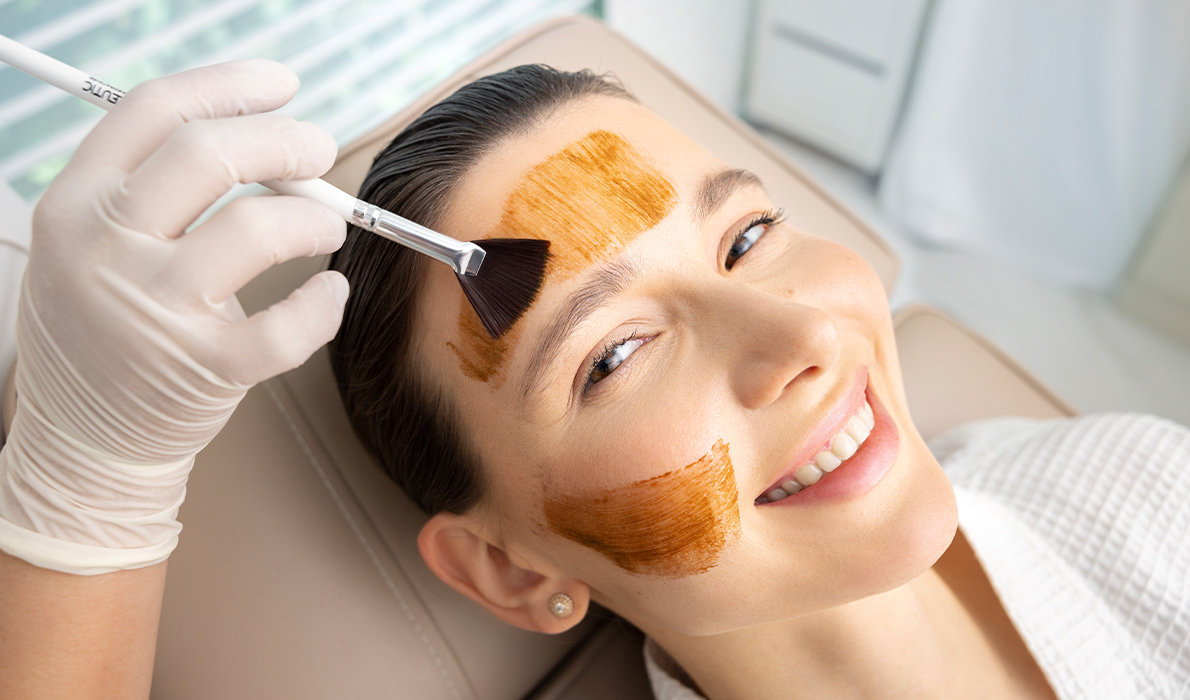
Chemical peels use selected solutions to exfoliate controlled layers of the skin. Depending on the type and depth of the peel, they may be considered for certain forms of superficial pigmentation, uneven tone and post-acne marks.
The strength and type of peel should be selected according to your skin type, medical history and pigmentation concern. Stronger treatments are not automatically better and can sometimes cause irritation or worsen discoloration.
A professional consultation can help determine whether a chemical peel is appropriate for your skin.
Explore the studio's Chemical Peel Treatment in Johar Town Lahore page for more information.
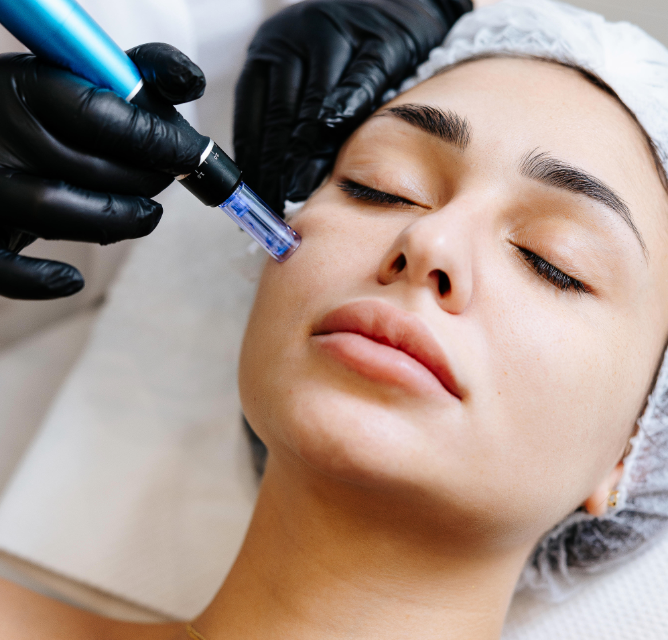
Microneedling is a procedure that uses fine needles to create controlled micro-injuries in the skin. The healing response can stimulate collagen production and may be considered as part of selected treatment plans for uneven texture and certain pigmentation concerns.
Microneedling is not suitable for every pigmentation condition. Incorrect treatment or excessive skin irritation can potentially make discoloration worse, particularly in people prone to post-inflammatory pigmentation.
Your skin condition, medical history and treatment goals should be reviewed before the procedure.
Learn more about Microneedling Treatment in Johar Town Lahore .
HydraFacial is a skincare treatment that combines cleansing, exfoliation and hydration. It may be considered for people interested in improving the appearance of dull or dehydrated-looking skin.
HydraFacial should not be described as a treatment that removes all types of pigmentation. Its suitability depends on your skin condition and the concern you want to address.
If your concerns include dullness, dehydration or general skin appearance alongside pigmentation, a professional can discuss whether this treatment is appropriate.
Explore HydraFacial Treatment in Johar Town Lahore for additional information.

People searching for Dark Spot Treatment in Lahore may have different types of discoloration. Dark spots can develop following acne or other skin inflammation, while repeated sun exposure may also contribute to uneven-looking pigmentation.
The first step is identifying the nature of the concern. Your practitioner can assess the affected areas and discuss suitable treatment options rather than automatically recommending the same procedure for every type of pigmentation.
Treatment may help improve the appearance of some forms of discoloration, but results vary. Some conditions, particularly melasma, can return or become more noticeable when exposed to triggers such as sunlight.
Acne can sometimes leave behind dark or uneven-looking marks even after active breakouts have improved. These marks are often related to post-inflammatory pigmentation and may look different from true acne scars.
If you are concerned about both pigmentation and acne-scar texture, your practitioner can assess both concerns and discuss appropriate treatment options.
You can also explore our information about Acne Scar Treatment in Lahore for information about professional approaches to acne-related skin texture concerns.
Sun exposure can contribute to pigmentation and may make some forms of discoloration more noticeable. Appropriate sun protection is therefore an important part of pigmentation management, both before and after professional treatment.
General sun-protection measures include:
For people with melasma, a dermatologist may also discuss tinted sunscreen containing iron oxides to help protect against visible light.
During your consultation, your practitioner can examine your skin and discuss when the pigmentation developed, previous treatments, skincare products, sun exposure, acne history and other relevant factors.
The appearance, location and pattern of pigmentation can be assessed to help identify the type of concern and whether further medical evaluation is needed.
Share information about medications, allergies, previous procedures, current skincare products and any history of irritation or unusual skin reactions.
Depending on the assessment, options such as chemical peels, microneedling or other skincare approaches may be discussed. Ask about the reason for the recommendation and whether the procedure is suitable for your skin.
Before proceeding, discuss possible side effects, recovery requirements, sun protection and realistic expectations. No treatment can guarantee complete or permanent removal of all pigmentation.
The number of sessions depends on the type and extent of pigmentation, the treatment selected, your skin condition and your individual response.
Some people may be advised to follow a consistent skincare plan, while others may be considered for a series of professional treatments. Melasma can be persistent and may require ongoing management rather than a one-time procedure.
There is no universal number of sessions that applies to everyone. Your practitioner should explain a realistic treatment plan after assessing your skin.
The safety of pigmentation treatment depends on the procedure, treatment settings, your skin condition and the professional performing the treatment. Chemical peels, microneedling and other aesthetic procedures can cause temporary redness, sensitivity, irritation, peeling or swelling.
Some individuals may be more prone to post-inflammatory pigmentation or other skin reactions. Inappropriate procedures can sometimes make existing discoloration worse.
Inform your practitioner about your medical history, medications, allergies, previous aesthetic treatments and current skincare routine before treatment. If a spot is new, changing, bleeding or unusual in appearance, seek medical assessment rather than assuming it is ordinary pigmentation.
If you are searching for Pigmentation Treatment Near Johar Town Lahore, The Skin Care Studio is located at Office 40, Block C, PIA Housing Scheme, Lahore.
The location is accessible to clients from Johar Town and nearby areas including Wapda Town, Township, Faisal Town, Model Town, Garden Town, Valencia Town, PIA Road and Canal View.
Location is important for convenience, but professional assessment, suitable treatment selection, hygiene and appropriate aftercare should also be considered when choosing a skincare provider.
These independent medical resources provide additional information about melasma, pigmentation management, treatment options and sun protection.
Pigmentation can be influenced by sun exposure, hormonal factors, acne, skin inflammation, certain medications and individual skin characteristics. The cause should be assessed before treatment.
The appropriate approach depends on the type of pigmentation, skin tone and medical history. Options may include skincare products, prescription treatments, chemical peels or selected procedures recommended by a qualified professional.
Selected chemical peels may help improve some forms of superficial pigmentation and uneven tone. The type and strength must be selected carefully because irritation can worsen discoloration.
Microneedling may be considered in selected treatment plans, but it is not suitable for every pigmentation condition. Professional assessment is important because skin irritation can sometimes worsen pigmentation.
Flat dark marks after acne are usually colour changes, while true acne scars involve changes in skin texture or structure. They may require different treatment approaches.
Melasma can be persistent and may return even after improvement. Ongoing sun protection and an individualized treatment plan can help manage the condition.
Yes. Sun protection is an important part of pigmentation management. Your practitioner can advise on suitable sunscreen and aftercare according to your skin and treatment.
The number varies according to the pigmentation type, treatment method and individual response. A professional assessment is needed to discuss a suitable schedule.
The Skin Care Studio is located at Office 40, Block C, PIA Housing Scheme, Lahore, and is accessible to clients from Johar Town and surrounding communities.
Visit the contact page to enquire about consultation arrangements and available services.
Take the first step towards understanding your skin concerns. Discuss dark spots, melasma, post-acne marks and uneven skin tone with a qualified professional to explore suitable treatment options.
Contact The Skin Care Studio Visit WebsiteMedical information notice: This page is for general educational purposes and is not a substitute for individual medical advice, diagnosis or treatment. Pigmentation procedures can cause irritation, infection, pigment changes and other complications. Treatment suitability should be assessed by an appropriately qualified healthcare professional.