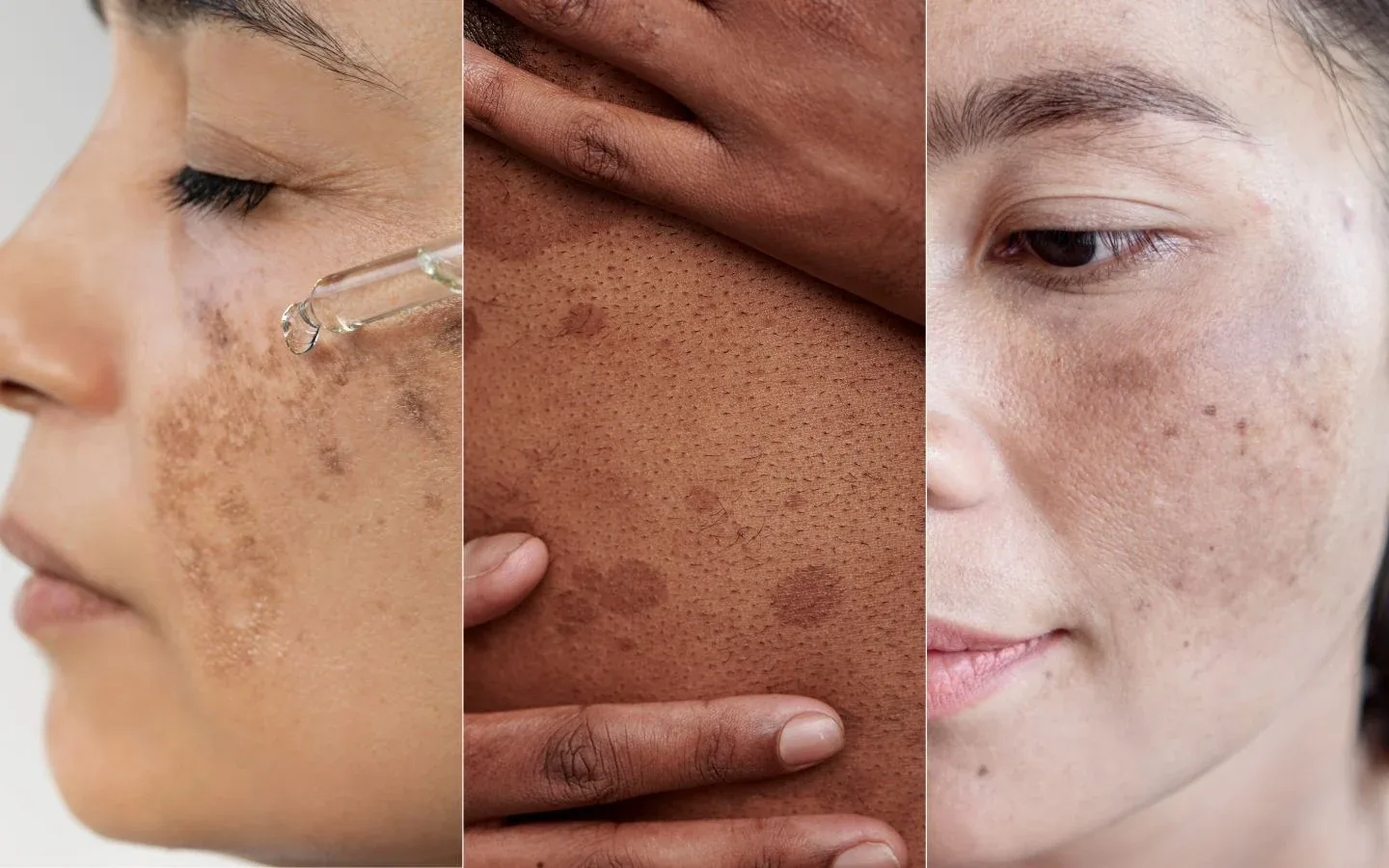
What Causes Skin Pigmentation and Dark Spots?
Skin pigmentation and dark spots are common skin concerns that affect people of different ages and skin types. Many people notice brown patches, small dark marks, uneven skin tone, or areas of discoloration on their face, neck, forehead, cheeks, and other parts of the body. These changes can develop gradually or appear after acne, sun exposure, hormonal changes, or skin inflammation.
Melanin is the natural pigment responsible for giving colour to our skin, hair, and eyes. It is produced by specialised skin cells called melanocytes. When melanin production increases in certain areas or becomes unevenly distributed, dark spots and pigmentation may develop.
In a sunny city like Lahore, regular exposure to sunlight, changing weather conditions, and environmental factors may contribute to pigmentation concerns. However, pigmentation can have several different causes, and identifying the correct cause is important before choosing a treatment.
At The Skin Care Studio Lahore, understanding the type of pigmentation and individual skin condition is an important part of selecting suitable skincare and professional treatment options.
What Is Skin Pigmentation?
Skin pigmentation refers to the natural colour of your skin, which is mainly influenced by melanin. Normal melanin production helps protect the skin against some effects of ultraviolet radiation.
However, when melanin production becomes excessive or uneven, certain areas of the skin may become darker than the surrounding skin. This condition is commonly known as hyperpigmentation.
Hyperpigmentation can appear in different forms, including:
- Small brown or black spots.
- Dark patches on the cheeks and forehead.
- Uneven skin tone.
- Dark marks left after acne.
- Sun-related spots on exposed areas.
- Discoloration around the mouth and other facial areas.
Some pigmentation concerns are temporary, while others may remain for months or years. The duration depends on the underlying cause, depth of pigmentation, skin type, and treatment approach.
1. Sun Exposure and UV Radiation
Sun exposure is one of the most common causes of skin pigmentation and dark spots. Ultraviolet (UV) radiation from sunlight stimulates melanocytes to produce more melanin.
This is a natural protective response, but repeated exposure can contribute to uneven pigmentation, tanning, and dark spots.
People who spend long hours outdoors without adequate sun protection may be more likely to develop sun-related pigmentation.
Common signs of sun-related pigmentation include:
- Brown spots on the cheeks.
- Dark patches on the forehead.
- Uneven skin tone.
- Dark marks on the nose.
- Discoloration on the hands and other exposed areas.
In Lahore, strong sunlight during summer can make sun protection particularly important.
How to prevent sun-related pigmentation:
- Apply broad-spectrum SPF 30 or higher sunscreen.
- Reapply sunscreen according to its instructions.
- Wear sunglasses and protective clothing.
- Avoid unnecessary direct sunlight during peak UV hours.
- Use shade when spending time outdoors.
Consistent sun protection is important even when you are using pigmentation treatments.
2. Hormonal Changes and Melasma
Hormonal changes can contribute to a pigmentation condition called melasma. It commonly appears as brown or grey-brown patches on the face.
Melasma is more frequently observed in women, although men can also develop it. It may be associated with pregnancy, hormonal medications, and genetic factors. Sun exposure can make melasma more noticeable.
Common areas affected by melasma include:
- Cheeks.
- Forehead.
- Upper lip.
- Nose.
- Chin.
Melasma can be difficult to manage because pigmentation may return after treatment, especially when sun protection is inconsistent.
How to manage melasma:
Treatment depends on the depth and severity of pigmentation. A skin specialist may recommend suitable topical products, sun protection, or selected professional procedures.
Avoid using strong whitening creams without professional advice. Some products may irritate the skin and make pigmentation worse.
3. Acne Marks and Post-Inflammatory Hyperpigmentation
Many people develop dark spots after acne disappears. These marks are known as post-inflammatory hyperpigmentation (PIH).
When the skin experiences inflammation, such as an acne breakout, the healing process may stimulate additional melanin production. This can leave a dark mark even after the original pimple has healed.
Post-acne pigmentation is particularly noticeable in people with medium to darker skin tones.
Common signs include:
- Brown marks after pimples.
- Dark spots on the cheeks.
- Uneven skin tone.
- Discoloration around previous acne areas.
These marks are not always permanent, but they can take several months to fade.
How to manage post-acne pigmentation:
- Avoid squeezing or picking pimples.
- Use gentle skincare products.
- Apply sunscreen daily.
- Avoid harsh scrubs and excessive exfoliation.
- Seek professional advice if marks remain persistent.
Treating active acne early may also help reduce the risk of developing additional dark marks.
4. Skin Inflammation and Irritation
Skin inflammation can sometimes lead to increased pigmentation. This may happen after allergic reactions, eczema flare-ups, insect bites, burns, or irritation caused by unsuitable skincare products.
When the skin becomes inflamed, melanocytes may produce additional melanin during the healing process.
This can result in dark patches or marks that remain after the original irritation improves.
Common triggers include:
- Harsh skincare products.
- Strong exfoliating treatments.
- Fragranced cosmetics.
- Repeated scratching.
- Skin injuries.
- Inflammatory skin conditions.
How to prevent irritation-related pigmentation:
Choose skincare products suitable for your skin type. Avoid introducing several active ingredients at the same time and stop using products that cause burning or persistent redness.
If irritation continues, consult a qualified skin specialist before starting pigmentation treatments.
5. Age Spots and Sun Spots
Age spots, also called solar lentigines, are flat brown or dark marks that commonly appear on areas regularly exposed to sunlight.
They are associated with cumulative UV exposure and may become more noticeable with age.
Common areas include:
- Face.
- Hands.
- Arms.
- Shoulders.
- Upper chest.
Although age spots are usually harmless, not every dark spot is necessarily an age spot.
Any spot that changes in size, shape, colour, or appearance should be examined by a healthcare professional to rule out other skin conditions.
Treatment options:
Depending on the diagnosis, selected topical treatments, chemical peels, or laser procedures may be considered. Professional assessment is important before choosing a treatment.
6. Genetics and Family History
Genetics can influence how your skin produces and distributes melanin. Some people naturally have a greater tendency to develop pigmentation, freckles, or uneven skin tone.
Family history may also influence susceptibility to conditions such as melasma.
People with darker skin tones may be more prone to developing post-inflammatory hyperpigmentation after acne, irritation, or certain skin procedures.
Although genetics cannot be changed, suitable skincare and sun protection may help manage some pigmentation concerns.
7. Pollution and Environmental Factors
Environmental pollution is another factor being studied for its possible effects on skin health.
Airborne particles, smoke, and certain pollutants may contribute to oxidative stress and inflammation. These processes may affect the skin barrier and potentially contribute to pigmentation changes.
People living in busy urban areas may experience regular exposure to traffic emissions, dust, and other environmental pollutants.
However, pigmentation is a complex condition, and pollution should not be considered the only cause of dark spots.
Ways to protect your skin:
- Cleanse your face gently after outdoor exposure.
- Use a suitable moisturiser.
- Apply sunscreen daily.
- Avoid excessive exfoliation.
- Maintain a consistent skincare routine.
8. Incorrect Use of Skincare Products
Using unsuitable skincare products can sometimes make pigmentation worse instead of improving it.
Strong exfoliating acids, unregulated whitening creams, and incorrectly used active ingredients may irritate the skin. This irritation can contribute to post-inflammatory hyperpigmentation.
Some people also combine multiple active ingredients without understanding their effects.
Common skincare mistakes include:
- Applying too many active ingredients.
- Using strong exfoliants too frequently.
- Skipping moisturiser.
- Not using sunscreen.
- Using unverified whitening products.
- Continuing products that cause irritation.
A simple and consistent skincare routine is often a better starting point than using multiple products without professional guidance.
Different Types of Skin Pigmentation
Understanding the type of pigmentation can help determine suitable management options.
1. Melasma
Melasma appears as brown or grey-brown patches, usually on the face. Hormonal factors, genetics, and sun exposure may contribute to its development.
2. Post-Inflammatory Hyperpigmentation
This type of pigmentation develops after inflammation or injury, including acne, eczema, burns, or irritation.
3. Solar Lentigines
These are flat brown spots associated with long-term sun exposure. They commonly appear on the face, hands, and other exposed areas.
4. Freckles
Freckles are small, flat brown spots that are influenced by genetics and sunlight. They often become more noticeable after sun exposure.
5. Generalised Hyperpigmentation
Some medical conditions and medications can cause widespread skin darkening. A healthcare professional should assess unexplained or sudden changes in skin colour.
How to Reduce Skin Pigmentation and Dark Spots
Managing pigmentation requires understanding its cause, depth, and severity. A treatment that works for one type of pigmentation may not be suitable for another.
The following skincare steps can help support healthier-looking skin.
1. Use Sunscreen Every Day
Sun protection is one of the most important parts of pigmentation management.
Choose a broad-spectrum sunscreen with SPF 30 or higher. Apply it to exposed skin every morning and reapply according to the product instructions.
If you spend time outdoors, wear protective clothing and use shade whenever possible.
2. Choose Suitable Skincare Ingredients
Some skincare ingredients may help improve the appearance of uneven skin tone.
These include:
- Vitamin C.
- Niacinamide.
- Azelaic acid.
- Retinoids.
- Selected exfoliating acids.
Not every ingredient is suitable for every skin type. Some may cause dryness or irritation, so introduce products gradually and seek professional advice when necessary.
3. Maintain Skin Hydration
Moisturising helps support the skin barrier and reduce dryness and irritation.
Choose a moisturiser according to your skin type. People with oily skin may prefer lightweight formulas, while dry skin may benefit from richer moisturisers.
4. Avoid Harsh Skin Treatments
Aggressive scrubbing and excessive exfoliation can irritate the skin. This may worsen existing pigmentation or create new dark marks.
Use gentle products and avoid treatments that cause persistent redness, burning, or peeling.
5. Follow a Consistent Routine
Pigmentation does not usually disappear overnight. Depending on its cause and depth, improvement may take several weeks or months.
Consistency with skincare and sun protection is important for maintaining results.
Professional Treatments for Skin Pigmentation
Some pigmentation concerns may require professional treatment when ordinary skincare products are not sufficient.
The appropriate procedure depends on the type of pigmentation, skin tone, sensitivity, medical history, and previous treatments.
At The Skin Care Studio Lahore, professional skincare options may be considered following an individual skin assessment.
1. Chemical Peels
Chemical peels use selected exfoliating ingredients to remove layers of dead skin cells and improve certain skin concerns.
Depending on the peel and individual suitability, they may help improve the appearance of superficial pigmentation and uneven skin tone.
The strength and type of peel should be selected carefully, especially for people who are prone to post-inflammatory hyperpigmentation.
2. Laser Pigmentation Treatments
Selected laser technologies target specific pigment within the skin. They may be considered for certain types of pigmentation after professional assessment.
Laser treatment is not suitable for every dark spot or every skin type. Incorrect settings or inappropriate treatment selection can cause burns, irritation, or worsening pigmentation.
A qualified professional should assess the skin before recommending laser procedures.
3. Pico Laser
Pico Laser is a laser technology that delivers very short pulses of energy. It may be used for selected pigment-related concerns, depending on the device, settings, and skin condition.
The number of sessions and expected results vary between individuals.
4. HydraFacial
HydraFacial is a professional treatment designed to cleanse, exfoliate, and hydrate the skin.
It may help improve the appearance of dullness and surface congestion. However, it is not a guaranteed treatment for deeper pigmentation or melasma.
5. Microneedling
Microneedling involves creating controlled micro-injuries in the skin using fine needles.
It may be considered for selected skin concerns, but it is not automatically suitable for all types of pigmentation. Professional assessment is necessary, particularly for individuals who are prone to dark marks after inflammation.
Why Professional Skin Assessment Is Important
Different pigmentation conditions can look similar but require different treatment approaches.
For example, melasma, post-acne marks, sun spots, and certain medical conditions can all cause dark areas on the skin.
Using the wrong treatment may cause irritation, worsen pigmentation, or delay appropriate care.
A professional skin assessment can help determine:
- The possible cause of pigmentation.
- Whether pigmentation is superficial or deeper.
- Whether the skin is sensitive or inflamed.
- Which skincare ingredients may be suitable.
- Whether a professional procedure is appropriate.
- How to maintain skin protection after treatment.
If a dark spot is new, changing, bleeding, irregular, or growing, have it medically assessed rather than treating it as ordinary pigmentation.
Frequently Asked Questions
1. What is the main cause of skin pigmentation?
Sun exposure is one of the most common contributors to pigmentation. Hormonal changes, acne inflammation, genetics, and skin irritation can also cause dark spots.
2. Can pigmentation disappear naturally?
Some pigmentation, especially post-acne marks, may gradually fade over time. Other conditions, such as melasma and sun spots, may require ongoing management.
3. How long does it take for dark spots to fade?
The duration depends on the type and depth of pigmentation. Some superficial marks may improve within months, while deeper or recurring pigmentation may take longer.
4. Can sunscreen help prevent dark spots?
Yes. Regular use of broad-spectrum sunscreen helps protect the skin from UV exposure, which can contribute to new pigmentation and worsen existing dark spots.
5. Does acne cause permanent pigmentation?
Acne can leave dark marks after inflammation. These marks are often temporary, but they may take several months to fade. Acne scarring is a separate concern and may need different treatment.
6. Is laser treatment suitable for every pigmentation problem?
No. Different types of pigmentation require different approaches. Laser treatment may be suitable for selected conditions, but professional assessment is necessary before treatment.
7. Can pigmentation return after treatment?
Yes. Some conditions, particularly melasma, can return after improvement. Consistent sun protection and suitable maintenance skincare are important.
8. Which ingredients help with dark spots?
Vitamin C, niacinamide, azelaic acid, and selected retinoids may help improve uneven skin tone. The right ingredient depends on skin type and the underlying condition.
9. Can pollution cause dark spots?
Some research suggests that air pollution may contribute to oxidative stress and skin inflammation, which may influence pigmentation. However, pigmentation has several possible causes.
10. Where can I get professional pigmentation treatment in Lahore?
You can visit The Skin Care Studio Lahore for information about skin assessment and available pigmentation treatment options.
Conclusion
Skin pigmentation and dark spots can develop for several reasons, including sunlight, hormonal changes, acne, inflammation, genetics, and environmental factors. Understanding the underlying cause is the first step toward selecting an appropriate skincare routine or professional treatment.
Daily sunscreen, gentle cleansing, suitable moisturising products, and avoiding harsh skincare practices can help support healthier-looking skin. Persistent or unusual pigmentation should be assessed by a qualified professional.
At The Skin Care Studio Lahore, the focus is on understanding individual skin concerns and exploring suitable skincare and aesthetic treatment options. With the right assessment, consistent skincare, and appropriate sun protection, you can work towards a more even and healthy-looking complexion.