Understanding Post-Inflammatory Hyperpigmentation (PIH)
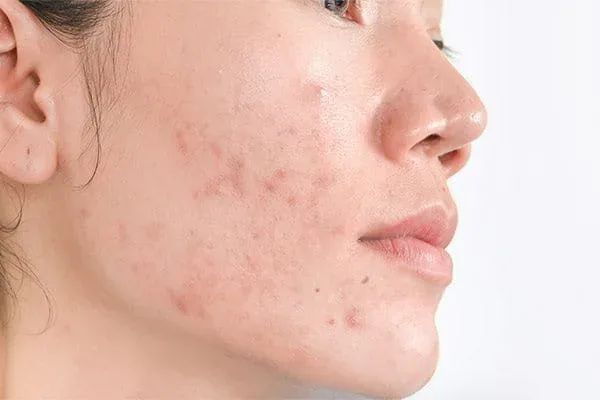
Post-inflammatory hyperpigmentation (PIH) is a common skin concern that develops after inflammation or injury to the skin. It appears as dark spots or patches that remain after conditions such as acne, eczema, insect bites, or skin irritation have healed.
PIH is especially noticeable on areas of the skin that have experienced inflammation. Although it is generally harmless, it can affect the appearance of the skin and may take several months to fade.
What Is Post-Inflammatory Hyperpigmentation?
Post-inflammatory hyperpigmentation occurs when the skin produces excess melanin in response to inflammation or injury. Melanin is the natural pigment responsible for skin colour.
When the skin becomes irritated or inflamed, pigment-producing cells may become more active. This can leave behind brown, dark brown, grey, or sometimes purple-looking marks.
PIH can affect all skin types, but it is often more noticeable and persistent in people with medium to darker skin tones.
Common Causes of PIH
Several skin conditions and everyday factors can trigger post-inflammatory hyperpigmentation.
Acne: Pimples, especially inflamed acne lesions, can leave dark marks after they heal.
Eczema: Repeated inflammation and scratching may contribute to uneven skin tone.
Skin injuries: Cuts, burns, insect bites, and minor wounds can sometimes leave pigmented marks.
Harsh skincare products: Products that irritate the skin may trigger inflammation and increase the risk of pigmentation.
Incorrect skin treatments: Aggressive exfoliation or unsuitable cosmetic procedures may worsen irritation and contribute to PIH.
What Does Post-Inflammatory Hyperpigmentation Look Like?
PIH usually appears as flat, darker areas where the skin previously experienced inflammation. The marks may be light brown, dark brown, grey, or similar shades depending on the individual's skin tone and the depth of pigmentation.
Common areas include the cheeks, forehead, chin, back, shoulders, and chest.
Unlike active acne, PIH is not usually raised or filled with fluid. It is generally a change in skin colour rather than an active pimple or infection.
How Is PIH Different from Acne Scars?
Post-inflammatory hyperpigmentation and acne scars are different concerns.
PIH changes the colour of the skin but does not usually change its texture. Acne scars, on the other hand, may create depressions, raised areas, or uneven skin texture.
Some people experience both pigmentation and acne scarring after breakouts. Identifying the correct concern is important because their treatment approaches may differ.
How Can You Treat Post-Inflammatory Hyperpigmentation?
Treatment depends on the severity of pigmentation, skin sensitivity, and underlying cause. A consistent skincare routine can help improve the appearance of dark marks over time.
1. Use Sunscreen Daily
Sun exposure can make existing pigmentation darker and slow improvement. Apply a broad-spectrum sunscreen with SPF 30 or higher every morning. Reapply as directed, particularly when outdoors.
2. Consider Vitamin C
Vitamin C is an antioxidant that may help improve uneven skin tone and the appearance of dark spots. Introduce it gradually and choose a formulation suitable for your skin.
3. Try Niacinamide
Niacinamide can support the skin barrier and may help reduce the appearance of uneven pigmentation. It is commonly included in skincare products designed for sensitive and uneven skin.
4. Consider Azelaic Acid
Azelaic acid may help with acne and certain forms of post-inflammatory pigmentation. It can be a useful option for people who experience both breakouts and dark marks.
5. Use Retinoids Carefully
Retinoids can support skin cell turnover and may help improve acne-related pigmentation. However, they can cause dryness and irritation, especially when introduced too quickly. Professional advice is recommended before starting stronger formulations.
Professional Treatments for PIH
Some people may benefit from professional treatments when skincare products alone do not provide the desired improvement.
Chemical peels may help improve certain types of superficial pigmentation when selected and performed appropriately. Laser treatments may also be considered in specific cases, but they are not suitable for everyone.
People with darker skin tones need particular care because aggressive procedures can sometimes trigger additional inflammation and pigmentation.
A qualified dermatologist should assess your skin before any in-clinic procedure.
How to Prevent Post-Inflammatory Hyperpigmentation
Prevention begins with controlling the skin condition that causes inflammation.
Avoid squeezing or picking pimples, as this can increase irritation and the risk of dark marks. Use gentle cleansers, moisturisers, and sunscreen. Avoid combining too many active skincare ingredients at once.
If you have acne, eczema, or another recurring skin condition, managing it early can help reduce the likelihood of developing further pigmentation.
How Long Does PIH Take to Fade?
The time required for PIH to fade varies from person to person. Superficial pigmentation may gradually improve over several months, while deeper pigmentation can take considerably longer.
Consistent sun protection and suitable skincare can support improvement. However, results depend on the depth of pigmentation, skin type, and whether the original inflammation has been controlled.
Frequently Asked Questions
Is post-inflammatory hyperpigmentation permanent?
PIH is often temporary, but some marks can take many months or longer to fade. Deeper pigmentation may be more persistent.
Can acne cause post-inflammatory hyperpigmentation?
Yes. Inflammation from acne can stimulate excess melanin production, leaving dark marks after pimples heal.
Does sunscreen help fade PIH?
Sunscreen helps prevent dark marks from becoming darker and supports the skin's natural improvement process.
Can I exfoliate skin with PIH?
Gentle exfoliation may be suitable for some people, but excessive scrubbing or strong exfoliating products can irritate the skin and worsen pigmentation.
Which ingredient is best for PIH?
Ingredients such as azelaic acid, niacinamide, vitamin C, and retinoids may help. The most suitable option depends on your skin condition and sensitivity.
Get Professional Skincare Guidance in Lahore
Post-inflammatory hyperpigmentation can be frustrating, particularly when dark marks remain after acne or skin irritation has healed. Understanding its causes and following a suitable skincare routine can help improve uneven skin tone.
At The Skin Care Studio Lahore, you can explore professional skincare guidance and discuss suitable options for your pigmentation concerns.
Visit The Skin Care Studio to learn more about available skincare services.
Disclaimer: This article is for educational purposes only and does not replace professional medical advice.