How to Choose a Skin Treatment for Acne Scars: Complete Guide
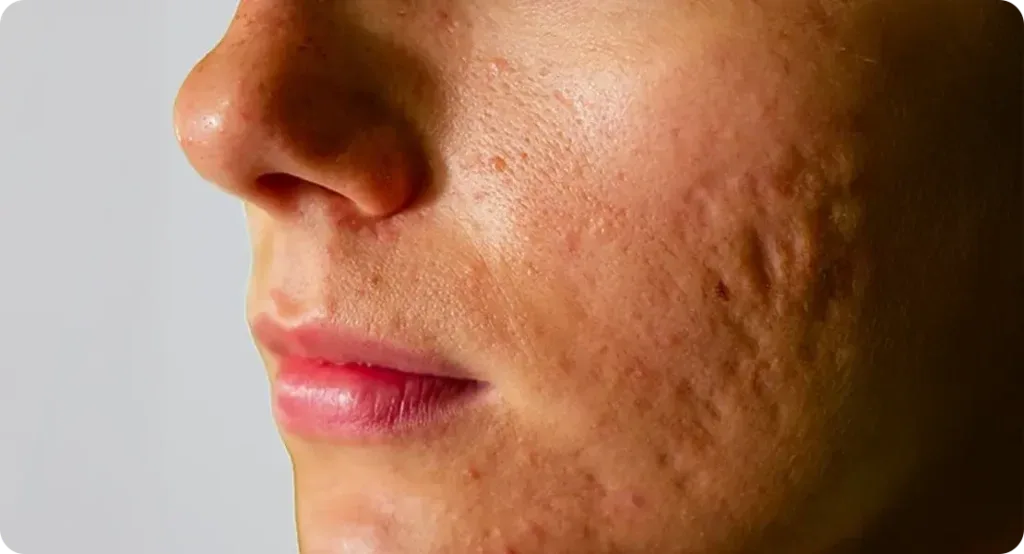
Acne scars are one of the most common skin concerns experienced by people who have dealt with persistent or severe acne. Even after active breakouts have disappeared, scars, uneven skin texture, enlarged pores, and dark marks can remain. These changes may affect the overall appearance of the skin and make it difficult to achieve a smoother complexion.
Fortunately, several professional skin treatments are available to improve the appearance of acne scars. Options such as microneedling, chemical peels, laser treatments, RF microneedling, and other dermatological procedures can help address different types of scarring.
However, not every treatment is suitable for every person. Choosing the right procedure depends on the type of acne scars, skin tone, scar depth, active acne, and individual skin condition.
If you are wondering how to choose a skin treatment for acne scars, understanding the available options and their differences is an important first step. This guide explains the most common types of acne scars, professional treatment options, expected results, and factors to consider before selecting a procedure.
What Are Acne Scars?
Acne scars are changes in the skin that can develop after inflammatory acne damages the surrounding tissue. When a pimple, cyst, or inflamed acne lesion heals, the skin produces collagen as part of its natural repair process.
If the body produces too little collagen during healing, depressed or indented scars may develop. If too much collagen is produced, raised scars can form.
Not every mark left after acne is a permanent scar. Some people experience post-inflammatory hyperpigmentation, which appears as brown or dark spots after a breakout. Others develop post-inflammatory erythema, which appears as red or pink marks.
Understanding the difference between acne scars and post-acne marks is important because they may require different treatment approaches.
What Are the Different Types of Acne Scars?
Before choosing a skin treatment, it is important to identify the type of acne scarring you have. Different scars affect the skin in different ways, and treatment selection should be based on their structure and depth.
Ice Pick Acne Scars
Ice pick scars are narrow, deep indentations that extend into the skin. They often appear as small holes and can be difficult to improve because of their depth.
Certain procedures, including specialised chemical reconstruction techniques and selected laser or surgical approaches, may be considered depending on the scar characteristics. Standard superficial treatments may not provide sufficient improvement for deeper ice pick scars.
Boxcar Acne Scars
Boxcar scars are wider depressions with more defined edges. They may appear on the cheeks, temples, and other areas of the face.
Their depth can vary, and treatment may involve microneedling, laser resurfacing, subcision, or combination procedures. The most suitable option depends on how deep the scars extend and whether they are attached to underlying tissue.
Rolling Acne Scars
Rolling scars create an uneven, wave-like appearance across the skin. They often develop because fibrous bands beneath the skin pull the surface downward.
Treatments such as subcision may be considered when these underlying attachments are present. Microneedling or laser resurfacing may also be incorporated into a treatment plan to improve overall skin texture.
Post-Acne Dark Spots
Dark spots following acne are usually related to post-inflammatory hyperpigmentation rather than structural scarring.
They may gradually fade over time, although professional treatments such as selected chemical peels and pigment-focused procedures may help improve their appearance.
Daily sun protection is particularly important because ultraviolet exposure can make pigmentation more noticeable or persistent.
How to Choose the Right Skin Treatment for Acne Scars?
Choosing an appropriate treatment requires more than simply selecting a popular cosmetic procedure. The first step is understanding what type of skin concern needs to be addressed.
For example, someone with shallow acne scars may respond differently to treatment than someone with deep, tethered scars. Similarly, a person with dark post-acne marks may need a different approach from someone experiencing significant textural damage.
Skin tone is another important consideration. Certain laser treatments and aggressive resurfacing procedures may carry a higher risk of pigmentation changes in darker skin tones. Treatment settings and procedures should therefore be selected carefully.
Active acne should also be considered before starting scar treatment. Controlling ongoing breakouts can help prevent additional inflammation and new scarring.
A qualified dermatologist or appropriately trained medical professional can examine the skin, identify the type of scarring, and recommend a treatment plan based on individual requirements.
Microneedling for Acne Scars
Microneedling is a minimally invasive cosmetic procedure that uses fine needles to create controlled micro-injuries in the skin. This process activates the body's natural healing response and encourages collagen and elastin production.
As collagen develops and remodels, the appearance of certain depressed acne scars and uneven skin texture may gradually improve.
Microneedling is commonly considered for shallow to moderate acne scarring, enlarged pores, and uneven skin texture. It may be less effective as a standalone treatment for deep ice pick scars or firmly tethered rolling scars.
Multiple sessions are generally required, with treatment intervals determined by skin condition and recovery. Results develop gradually over time rather than appearing immediately after a single appointment.
People with active inflammatory acne, certain skin infections, or a history of problematic scarring require professional assessment before considering microneedling.
Chemical Peels for Acne Scars and Dark Marks
Chemical peels are cosmetic procedures that use carefully selected chemical solutions to exfoliate the skin and encourage the development of newer skin cells.
Different peel formulations and strengths are available, depending on the skin concern and treatment goals.
Superficial peels may help improve uneven skin tone, mild post-acne pigmentation, and surface texture. Medium-depth peels may be considered for selected cases of more noticeable textural concerns, although they require greater care and recovery.
Chemical peels are not equally effective for every type of acne scar. Deep, depressed scars usually require other procedures or a combination treatment approach.
People with darker skin tones should be assessed carefully before chemical peels because inappropriate formulations or excessive treatment intensity can cause post-inflammatory hyperpigmentation.
Laser Treatment for Acne Scars
Laser treatments use concentrated light energy to target selected skin structures. Depending on the technology, lasers may improve pigmentation, stimulate collagen remodelling, or resurface damaged skin.
Fractional laser treatments are commonly considered for certain types of depressed acne scars because they create controlled treatment zones while leaving surrounding tissue relatively unaffected.
Different laser technologies have different indications. Some are primarily designed for pigmentation, while others focus on skin resurfacing and collagen stimulation.
The choice of laser depends on scar depth, skin tone, previous treatments, and the likelihood of pigmentation-related side effects.
People with darker skin tones may require particularly careful laser selection and settings. A professional consultation and, where appropriate, a test spot can help assess suitability.
RF Microneedling for Deep Acne Scars
Radiofrequency microneedling combines traditional microneedling with radiofrequency energy delivered into selected skin layers.
The fine needles create controlled channels, while radiofrequency energy produces controlled heating within the targeted tissue. This process aims to stimulate collagen remodelling and improve the appearance of certain types of acne scars.
RF microneedling may be considered for selected depressed scars, uneven skin texture, and skin laxity. Its effectiveness depends on the type and depth of the scars, treatment settings, and individual response.
It is important to understand that deeper or tethered scars may require additional procedures such as subcision. RF microneedling is not a guaranteed solution for every type of acne scarring.
Treatment should be performed by an appropriately trained professional using a device suitable for the patient's skin type.
Subcision for Rolling Acne Scars
Subcision is a minimally invasive procedure used to treat selected depressed acne scars, particularly rolling scars that are attached to underlying fibrous tissue.
During the procedure, a specialised needle or instrument is inserted beneath the scar to release the fibrous bands pulling the skin downward.
Once these attachments are released, the depressed skin may become less noticeable. The procedure can also be combined with other treatments, such as microneedling or laser resurfacing, when clinically appropriate.
Subcision is not suitable for every acne scar. It requires detailed knowledge of facial anatomy and should be performed by a qualified medical professional.
Temporary bruising, swelling, tenderness, and bleeding may occur after the procedure.
Which Acne Scar Treatment Is Best for Different Skin Concerns?
The most suitable procedure depends on the underlying skin problem rather than the treatment's popularity.
For shallow depressed scars and uneven texture, microneedling may be considered because it encourages collagen remodelling. For selected rolling scars that are attached to underlying tissue, subcision may be more appropriate.
For post-acne pigmentation and uneven skin tone, carefully selected chemical peels or pigment-focused laser procedures may be considered. For certain deeper textural scars, fractional laser or RF microneedling may form part of a broader treatment plan.
People with multiple types of acne scars may benefit from a combination approach rather than relying on one procedure.
A personalised assessment is important because treating the wrong type of scar can lead to disappointing results or unnecessary skin irritation.
How Many Sessions Are Required to Improve Acne Scars?
The number of sessions depends on the type of treatment, severity of scarring, skin condition, and individual healing response.
Microneedling and RF microneedling generally involve multiple sessions because collagen remodelling occurs gradually. Chemical peel treatment may also require a series of appointments, depending on the formulation and skin concern.
Laser treatments vary significantly. Some people may benefit from a limited number of sessions, while others require a longer treatment plan.
Deeper scars may need combination procedures performed over several months. It is important to allow sufficient recovery time between treatments instead of repeating procedures too frequently.
Complete removal of acne scars cannot be guaranteed. The realistic goal is to improve skin texture, reduce the visibility of scars, and achieve a more even-looking complexion.
How to Prevent New Acne Scars?
Treating existing acne scars is only one part of maintaining healthier-looking skin. Preventing new breakouts and reducing inflammation can help lower the risk of additional scarring.
People experiencing recurring acne should consider appropriate acne management rather than repeatedly picking or squeezing pimples. Manipulating inflamed lesions can increase tissue damage and pigmentation.
A gentle skincare routine can help support the skin barrier. Appropriate cleansing, moisturising, and daily broad-spectrum sunscreen are important parts of ongoing skincare.
People with persistent inflammatory acne should seek professional advice about treatments that control breakouts. Managing active acne before beginning aggressive scar procedures can help improve the overall treatment approach.
What Should You Consider Before Choosing an Acne Scar Treatment?
Before undergoing any cosmetic procedure, it is important to discuss your skin history, previous treatments, medications, and expectations with a qualified professional.
Your consultation should include an assessment of scar types, depth, skin tone, active acne, and possible contraindications. The practitioner should explain the expected benefits, limitations, recovery period, and potential complications of the recommended treatment.
It is also important to understand that acne scar improvement is usually gradual. Some procedures can cause temporary redness, swelling, dryness, peeling, or pigmentation changes.
Choosing a treatment based only on advertisements or promised results is not recommended. A suitable treatment plan should be based on clinical assessment and realistic expectations.
Where Can You Get Acne Scar Treatment in Lahore?
If you are looking for professional skin treatment options for acne scars in Lahore, choosing a clinic that provides proper skin assessment and personalised treatment guidance is important.
The Skin Care Studio in Johar Town, Lahore, offers cosmetic skincare and treatment options for people concerned about uneven skin texture, post-acne marks, and visible acne scars.
Depending on individual skin requirements, available treatment options may include microneedling, chemical peels, laser-based procedures, and other cosmetic skin treatments.
Before starting any procedure, a consultation can help determine whether your concern involves pigmentation, depressed scarring, or another skin condition requiring a different approach.
You can explore our Microneedling Treatment and other skincare services to learn more about available options.
For additional educational information about acne and acne scar management, visit the American Academy of Dermatology.
The goal is to select an appropriate treatment based on your skin condition rather than choosing a procedure simply because it is popular.
Frequently Asked Questions About Acne Scar Treatments
What is the best treatment for acne scars?
There is no single best treatment for every type of acne scar. Microneedling, RF microneedling, chemical peels, laser resurfacing, and subcision may all be considered depending on scar type, depth, and skin tone.
Can acne scars disappear completely?
Some superficial marks may fade significantly, while deeper structural scars may remain partially visible even after treatment. Professional procedures can improve their appearance, but complete removal cannot be guaranteed.
Is microneedling effective for acne scars?
Microneedling may improve certain depressed acne scars and uneven skin texture by stimulating collagen production. Multiple sessions are often required, and results vary.
Are chemical peels good for acne scars?
Chemical peels may help improve post-acne pigmentation and superficial textural concerns. They are generally less effective for deep, depressed scars that require procedures targeting deeper tissue.
Does laser treatment remove acne scars permanently?
Laser treatments can improve the appearance of certain acne scars by stimulating collagen remodelling or resurfacing the skin. However, results vary, and existing structural scars may not disappear completely.
Is RF microneedling better than regular microneedling?
RF microneedling combines needle-based treatment with radiofrequency energy, which may offer additional tissue heating and collagen stimulation. The most suitable option depends on scar type, skin condition, device, and professional assessment.
How long does acne scar treatment take?
Treatment duration depends on the procedure and severity of scarring. Many treatment plans involve multiple sessions over several months because the skin requires time to heal and remodel collagen.
Can people with dark skin undergo acne scar treatments?
Yes, many acne scar treatments can be considered for darker skin tones. However, treatment selection and settings require careful assessment because some procedures can increase the risk of post-inflammatory hyperpigmentation.
Can active acne be treated at the same time as acne scars?
Active acne should generally be controlled before aggressive scar treatments are started. The appropriate timing depends on acne severity and the procedure being considered.
Do acne scars come back after treatment?
Previously treated scars do not typically return in the same way, but new acne breakouts can cause additional scarring. Managing active acne and following appropriate skincare advice can help reduce this risk.
Final Thoughts: Choosing the Right Treatment for Acne Scars
Choosing the right skin treatment for acne scars starts with understanding your individual skin condition. Different scars require different approaches, and a procedure that works well for one person may not provide the same results for someone else.
Microneedling, chemical peels, RF microneedling, laser treatments, and subcision each have different applications and limitations. The most appropriate option depends on the depth of scarring, skin tone, active acne, and overall treatment goals.
With professional assessment, realistic expectations, and a carefully planned treatment approach, many people can achieve noticeable improvements in skin texture and the appearance of acne scars.