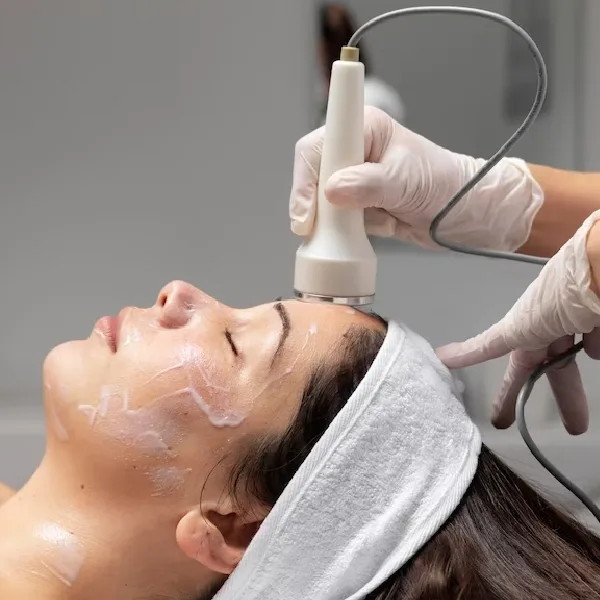
Chemical Peels in Lahore: Benefits and Aftercare Tips
Healthy, smooth, and radiant skin starts with the right skincare routine and professional guidance. If you have uneven skin tone, rough texture, dullness, or acne marks, chemical peels may be a treatment option to discuss with a qualified skincare professional.
If you are searching for chemical peels in Lahore, understanding their benefits, treatment process, and aftercare can help you make an informed decision. At The Skin Care Studio, you can explore skincare services according to your individual skin concerns and treatment goals.
What Are Chemical Peels?
A chemical peel is a professional skincare treatment that uses a chemical solution to exfoliate the skin. Depending on the type and strength of the peel, it may help improve skin texture, uneven pigmentation, certain types of acne, and the appearance of fine lines.
Chemical peels vary in strength. Superficial peels generally affect the outermost layer of the skin, while medium-depth peels reach deeper layers and require more recovery time.
Before choosing a chemical peel, consult a qualified professional who can assess your skin type, medical history, and treatment needs.
Benefits of Chemical Peels for Skin
1. Helps Improve Uneven Skin Tone
Dark spots and uneven pigmentation can develop because of sun exposure, acne, and hormonal changes. Certain chemical peels may help reduce the appearance of superficial pigmentation and promote a more even-looking complexion.
2. Supports Smoother Skin Texture
Dead skin cells can make your skin feel rough and look dull. A suitable chemical peel helps exfoliate the outer skin layer and may leave the skin feeling smoother after recovery.
3. May Help with Certain Types of Acne
Some chemical peels contain ingredients such as salicylic acid, which may help manage clogged pores and certain types of acne. The right treatment depends on your skin condition and sensitivity.
4. Improves the Appearance of Dull Skin
Environmental exposure and dead skin cell buildup can make your skin look tired. Chemical exfoliation may help reveal fresher-looking skin after the healing process.
5. May Reduce the Appearance of Fine Lines
Some chemical peels can improve the appearance of fine lines and mild sun damage. Results vary depending on the type of peel, your skin condition, and your skincare routine.
Who Can Consider Chemical Peels?
Chemical peels may be suitable for people concerned about uneven skin tone, mild pigmentation, rough texture, clogged pores, and certain acne-related marks.
However, chemical peels are not suitable for everyone. People with highly sensitive skin, active skin infections, open wounds, or certain skin conditions may need to avoid treatment.
People with darker skin tones should take particular care because unsuitable peels can increase the risk of pigmentation changes. A professional skin assessment can help determine whether the treatment is appropriate.
What to Expect During a Chemical Peel Session
A chemical peel session usually begins with a consultation. Your skincare professional will assess your skin, discuss your concerns, and review your current skincare products and medical history.
During treatment, the skin is cleansed, and the selected chemical solution is applied according to the treatment plan. You may experience temporary tingling, warmth, or mild stinging.
After the procedure, your provider will explain how to care for your skin and which products to avoid. Recovery time depends on the strength and depth of the peel.
Essential Chemical Peel Aftercare Tips
1. Use a Gentle Cleanser
Clean your skin with a mild, non-abrasive cleanser recommended by your skincare professional. Avoid scrubbing and using rough cleansing brushes while your skin heals.
2. Keep Your Skin Moisturised
Use a suitable moisturiser to help reduce dryness and support the skin barrier. Follow your provider's instructions about which products are safe to apply.
3. Apply Sunscreen Daily
Sun protection is essential after a chemical peel. Use broad-spectrum sunscreen with SPF 30 or higher, reapply as directed, and avoid unnecessary direct sunlight. Wearing a hat and protective clothing can also help.
4. Avoid Picking or Peeling Skin
Your skin may become dry or start peeling during recovery. Do not pull or scratch loose skin because this can increase the risk of irritation, scarring, and pigmentation changes.
5. Avoid Strong Skincare Products
Retinoids, exfoliating acids, benzoyl peroxide, and other irritating products may need to be paused before and after treatment. Ask your provider when you can safely restart them.
6. Avoid Excessive Heat
Avoid saunas, steam rooms, excessive heat, and additional exfoliating treatments if your provider advises against them during recovery.
7. Watch for Unusual Symptoms
Mild redness and peeling may occur after treatment. However, severe pain, blistering, increasing swelling, or signs of infection require prompt medical advice.
Why Choose The Skin Care Studio in Lahore?
Choosing the right skincare clinic is important when considering a chemical peel. A suitable treatment plan should be based on your skin type, concerns, and expected results.
At The Skin Care Studio, you can discuss your skincare concerns and explore available treatment options.
Visit our skincare clinic in Lahore to learn more about our services. You can also explore our facial treatments and PRP treatment options for more information about our skincare services.
If you would like personalised guidance, visit our appointment booking page to contact the clinic and discuss your concerns.
Frequently Asked Questions About Chemical Peels
1. What are chemical peels used for?
Chemical peels may help improve uneven skin tone, superficial pigmentation, rough texture, certain types of acne, and the appearance of fine lines.
2. Are chemical peels safe for all skin types?
No. Suitability depends on your skin type, sensitivity, medical history, and the type of peel. A professional assessment is important before treatment.
3. How long does recovery take after a chemical peel?
Recovery depends on the strength of the peel. Superficial peels may cause mild flaking for several days, while medium-depth peels may require a week or longer to heal.
4. How many chemical peel sessions are needed?
Some people may benefit from one treatment, while others may need several sessions. The number of treatments depends on your skin concerns and response to treatment.
5. Can chemical peels remove acne scars?
Certain superficial acne marks may improve with chemical peels. Deep or indented acne scars may require other treatments or a combination of procedures.
6. Can I go outside after a chemical peel?
You may go outside when necessary, but you should limit sun exposure and follow your provider's advice about sunscreen, shade, and protective clothing.
7. Can I wear makeup after a chemical peel?
This depends on the depth of the peel and your skin's recovery. Avoid makeup until your provider confirms that it is safe to use.
8. Where can I ask about chemical peels in Lahore?
You can contact The Skin Care Studio through the appointment booking page to ask about available treatments and whether a chemical peel may suit your skin.
Conclusion
Chemical peels may help improve uneven skin tone, dullness, rough texture, and certain acne-related concerns. Choosing the right treatment and following proper aftercare are important for protecting your skin and reducing the risk of complications.
If you are considering chemical peels in Lahore, arrange a professional consultation before treatment. Follow your aftercare instructions, protect your skin from the sun, and avoid irritating products while your skin heals.
need 2000 words
Chemical Peels in Lahore: Benefits and Aftercare Tips
Healthy, smooth, and glowing skin starts with the right skincare routine and professional guidance. Many people experience skin concerns such as uneven skin tone, dullness, rough texture, dark spots, clogged pores, and acne marks. Chemical peels are one of the professional skincare treatments that may help improve the appearance of these concerns when selected according to individual skin needs.
If you are searching for chemical peels in Lahore, it is important to understand how the treatment works, its potential benefits, the recovery process, and the aftercare required to protect your skin. Choosing the right treatment can help you make an informed decision and maintain a healthy skincare routine.
At The Skin Care Studio, clients can discuss their skincare concerns and explore suitable treatment options with the clinic's team. Every person's skin is different, so professional assessment is important before starting any cosmetic treatment.
What Are Chemical Peels?
A chemical peel is a professional skincare treatment that uses a chemical solution to exfoliate the skin. The solution helps remove dead skin cells from the surface and may improve the appearance of certain skin concerns.
Depending on the ingredients and strength used, chemical peels may help address uneven skin tone, superficial pigmentation, rough texture, certain types of acne, and mild signs of sun damage.
There are different types of chemical peels, and each works differently. Some treatments focus on the outermost layer of the skin, while stronger peels reach deeper layers and require more recovery time.
The most suitable chemical peel depends on your skin type, sensitivity, medical history, current skincare products, and treatment goals. A professional consultation helps determine whether a chemical peel is appropriate for you.
Types of Chemical Peels
Understanding the different types of chemical peels can help you understand what to discuss during your consultation.
Superficial Chemical Peels
Superficial chemical peels work mainly on the outermost layer of the skin. They may use ingredients such as glycolic acid, lactic acid, or salicylic acid.
These peels may help improve mild dullness, uneven texture, clogged pores, and some forms of superficial pigmentation. Recovery is generally shorter than with deeper peels, although temporary redness, dryness, or flaking can occur.
The number of sessions required depends on your skin concerns and how your skin responds to treatment.
Medium-Depth Chemical Peels
Medium-depth chemical peels penetrate further into the skin than superficial peels. They may be considered for selected pigmentation concerns, sun damage, and certain types of uneven texture.
These treatments usually involve more redness, peeling, and recovery time. They also carry a greater risk of complications, including infection, scarring, and pigmentation changes.
A suitably qualified professional should determine whether this type of peel is appropriate for your skin.
Deep Chemical Peels
Deep chemical peels affect deeper layers of the skin and involve a longer recovery period. They carry more significant risks and require careful medical assessment and supervision.
They are not suitable for everyone and should only be considered under appropriate specialist care.
For many people, a superficial treatment may be a more appropriate starting point. However, the best option depends on the individual skin concern rather than a general recommendation.
Benefits of Chemical Peels for Skin
Chemical peels may provide several benefits when the correct treatment is selected and performed by a qualified professional.
1. Helps Improve Uneven Skin Tone
Uneven skin tone can develop because of sun exposure, acne, hormonal changes, and other factors. Dark spots and superficial pigmentation may make the complexion appear less even.
Certain chemical peels help exfoliate the outer skin layer and may gradually improve the appearance of some pigmentation concerns. However, results depend on the underlying cause, skin type, and treatment strength.
People who are prone to pigmentation should receive a careful skin assessment before treatment.
2. Supports Smoother Skin Texture
Dead skin cell buildup can make the skin feel rough and look dull. Suitable chemical exfoliation may help improve the surface texture and leave the skin feeling smoother after recovery.
A consistent skincare routine can help maintain the results. Gentle cleansing, moisturising, and daily sun protection are important parts of long-term skin care.
Chemical peels cannot guarantee completely smooth skin, particularly when deeper scars or other structural skin concerns are present.
3. May Help with Certain Types of Acne
Some chemical peels contain salicylic acid, an ingredient that may help manage clogged pores and certain forms of acne.
By supporting exfoliation, suitable treatments may help improve the appearance of congested skin. However, active acne can have several causes, and some types require medical treatment rather than cosmetic procedures.
If you have painful, inflamed, or severe acne, consult a qualified healthcare professional before considering a chemical peel.
4. Improves the Appearance of Dull Skin
Environmental exposure, dryness, and the accumulation of dead skin cells can contribute to a dull complexion.
A suitable chemical peel may help remove surface buildup and reveal fresher-looking skin once the recovery process is complete. The results vary, and temporary redness or peeling may occur before the skin settles.
Maintaining adequate hydration and using appropriate skincare products can support your skin after treatment.
5. May Reduce the Appearance of Fine Lines
Certain chemical peels may help improve the appearance of fine lines and mild sun damage by encouraging the removal of damaged outer skin cells.
The degree of improvement depends on the peel's depth and your individual skin condition. Deep wrinkles and significant skin laxity generally require other treatment approaches.
A professional consultation can help establish realistic expectations before treatment.
6. May Improve the Appearance of Superficial Acne Marks
Some people develop flat dark or discoloured marks after acne has healed. Selected chemical peels may help improve the appearance of these marks over time.
However, flat pigmentation is different from deep or indented acne scars. Textural scars may require a more comprehensive treatment plan.
Your skincare professional should assess the type of marks you have before recommending a procedure.
Who Can Consider Chemical Peels?
Chemical peels may be considered by people who want to address mild pigmentation, uneven skin texture, dullness, clogged pores, certain types of acne, or superficial acne marks.
However, the treatment is not suitable for everyone.
People with active skin infections, open wounds, highly irritated skin, certain inflammatory skin conditions, or a history of abnormal scarring may need to avoid treatment or seek specialist advice.
Some medications and recent cosmetic procedures can also affect whether a chemical peel is appropriate.
People with darker skin tones should receive particular care because some peels can trigger post-inflammatory hyperpigmentation, making dark marks more noticeable. Choosing an appropriate treatment and following professional aftercare instructions can help reduce avoidable risks.
Pregnancy, breastfeeding, medication use, and other medical circumstances may also affect the choice of ingredients or procedure. Always disclose relevant medical information during your consultation.
What to Expect During a Chemical Peel Session
Understanding the treatment process can help you feel more prepared for your appointment.
Before the Treatment
Your appointment should begin with a consultation. The skincare professional will discuss your concerns, examine your skin, and review your medical history and current skincare routine.
You may be advised to avoid certain exfoliating products, retinoids, or other irritating ingredients before treatment. Do not change prescribed medication without advice from the clinician who manages it.
You should also discuss previous chemical peels, cosmetic procedures, allergies, and any history of cold sores or abnormal scarring.
During the Treatment
The skin is usually cleansed before the selected chemical solution is applied according to the treatment plan and product instructions.
You may experience temporary tingling, warmth, or mild stinging. The level of discomfort depends on the type and strength of the peel.
The solution is removed or neutralised when required by the specific product. The professional will then provide instructions for caring for your skin after the session.
After the Treatment
Your skin may appear red, feel tight, or become dry. Some peels cause visible flaking, while deeper treatments can involve more significant peeling and a longer recovery period.
Avoid judging the final results immediately after treatment because the skin needs time to recover.
Follow the aftercare instructions provided for your particular peel, and contact your healthcare professional if you experience unexpected or worsening symptoms.
Essential Chemical Peel Aftercare Tips
Proper aftercare is an important part of the treatment process. It helps protect the skin while it recovers and may reduce the risk of complications.
1. Use a Gentle Cleanser
After a chemical peel, cleanse your skin with a mild, non-abrasive cleanser recommended by your provider.
Avoid harsh soaps, scrubbing brushes, exfoliating cloths, and hot water while your skin is recovering. Clean your face gently without rubbing or applying unnecessary pressure.
If your skin feels particularly sensitive, ask your provider which cleansing products are appropriate.
2. Keep Your Skin Moisturised
A suitable fragrance-free moisturiser can help reduce dryness and support the skin barrier.
Choose products that are gentle and appropriate for your skin condition. Avoid introducing several new skincare products immediately after treatment.
If you have received a medium-depth or deep peel, follow your clinician's specific instructions about moisturisers and other products.
3. Apply Broad-Spectrum Sunscreen
Sun protection is essential after a chemical peel because treated skin may be more vulnerable to ultraviolet exposure.
Use a broad-spectrum sunscreen with SPF 30 or higher, reapply according to the product instructions, and seek shade whenever possible.
A wide-brimmed hat and protective clothing can provide additional protection. Continue using sunscreen after recovery because regular sun protection helps reduce further sun damage and pigmentation.
4. Avoid Picking or Peeling Your Skin
Your skin may start flaking or peeling during recovery. Allow loose skin to shed naturally rather than pulling, scratching, or picking at it.
Removing peeling skin prematurely can increase irritation and the risk of infection, scarring, and pigmentation changes.
If you develop unusual blistering or painful areas, contact your treating professional rather than attempting to remove the affected skin yourself.
5. Pause Strong Active Ingredients
Retinoids, glycolic acid, salicylic acid, benzoyl peroxide, and other potentially irritating products may need to be paused before and after treatment.
The appropriate schedule depends on the type of peel, the products involved, and your skin's recovery.
Restart these ingredients only when your treating professional confirms that it is safe to do so.
6. Avoid Excessive Heat and Harsh Treatments
During recovery, avoid activities that may increase irritation if your provider advises against them. These may include saunas, steam rooms, intense heat exposure, waxing, and further exfoliating procedures.
Do not schedule another cosmetic treatment until your skin has recovered and your provider confirms that it is appropriate.
7. Follow Your Individual Recovery Plan
There is no single recovery timetable that applies to every chemical peel. Superficial treatments generally require less downtime than medium-depth or deep procedures.
Follow the instructions given by your treating professional, attend any recommended follow-up appointments, and ask questions if you are unsure about a product or activity.
8. Know When to Seek Medical Advice
Some redness, tightness, and peeling may be expected after a chemical peel. However, severe or increasing pain, significant swelling, blistering, spreading redness, or signs of infection should not be ignored.
Contact your treating professional promptly if you experience these symptoms. Seek urgent medical care if the symptoms are severe.
How Many Chemical Peel Sessions Are Needed?
The number of sessions depends on your skin concerns, the strength of the peel, and how your skin responds to treatment.
Some people may notice an improvement after one superficial peel, while others may need a series of treatments. Repeated sessions should be spaced appropriately to allow the skin to recover.
Stronger peels are not necessarily better for every person. Using an unsuitable product or repeating treatment too frequently can cause irritation and increase the risk of pigmentation changes.
Your skincare professional can recommend an appropriate treatment schedule based on your assessment and progress.
How Long Do Chemical Peel Results Last?
The duration of results varies according to the type of peel, your original skin concern, sun exposure, and skincare habits.
Improvements in skin texture and superficial pigmentation may be maintained with consistent skincare and sun protection. However, new pigmentation, acne, and sun damage can develop over time.
Chemical peels do not stop the natural ageing process, and results cannot be guaranteed.
Maintaining a gentle skincare routine and following professional advice can help support your skin's appearance after treatment.
Why Choose The Skin Care Studio in Lahore?
Choosing a skincare clinic involves more than selecting a particular treatment. It is important to understand your skin concerns, discuss potential side effects, and receive guidance appropriate to your individual needs.
At The Skin Care Studio, clients can discuss their skincare goals and explore the clinic's available services. Before undergoing a chemical peel, ask about the recommended treatment, expected recovery period, possible risks, and aftercare requirements.
You can visit our skincare clinic in Lahore to learn more about our services.
If you are interested in other skincare options, explore our facial treatments and PRP treatment options. The suitability of each service depends on your skin condition and individual goals.
For personalised guidance, visit our appointment booking page to contact the clinic and discuss your concerns before choosing a treatment.
Frequently Asked Questions About Chemical Peels in Lahore
1. What are chemical peels used for?
Chemical peels may help improve uneven skin tone, superficial pigmentation, rough texture, certain types of acne, and the appearance of fine lines. The results depend on the treatment selected and the skin concern being addressed.
2. Are chemical peels safe for all skin types?
No. Suitability depends on skin sensitivity, skin tone, medical history, medications, and the type of peel. A qualified professional should assess your skin before recommending treatment.
3. How long does it take to recover from a chemical peel?
Superficial peels may cause mild flaking for several days. Medium-depth peels can require a week or longer, while deep peels may involve a substantially longer recovery period. Your provider can explain the expected healing time for your treatment.
4. Can chemical peels help with dark spots?
Certain chemical peels may improve the appearance of superficial pigmentation. However, the cause of the dark spots should be assessed before treatment, especially if you are prone to post-inflammatory hyperpigmentation.
5. Can chemical peels remove acne scars?
Chemical peels may help with some superficial acne marks and mild textural concerns. Deep or indented scars usually require a different or more comprehensive treatment plan.
6. Can I wear makeup after a chemical peel?
This depends on the depth of the peel and the condition of your skin. Avoid makeup until your provider confirms that it is safe, particularly if your skin is raw, blistered, or irritated.
7. Can I go outside after a chemical peel?
You may be able to go outside when necessary, but you should limit sun exposure and follow your provider's advice about sunscreen, shade, and protective clothing.
8. How often can I get a chemical peel?
The recommended interval depends on the peel's strength, your skin condition, and your recovery. Do not repeat treatment until your skin has healed and your professional confirms that another session is appropriate.
9. Do chemical peels cause side effects?
Possible side effects include redness, dryness, stinging, peeling, irritation, and temporary or persistent pigmentation changes. More serious complications can occur, especially with stronger peels or unsuitable treatment.
10. Where can I ask about chemical peels in Lahore?
You can contact The Skin Care Studio through the appointment booking page to discuss your skin concerns, ask about available treatments, and find out whether a chemical peel may be suitable for you.
Conclusion
Chemical peels can be a useful part of a personalised skincare plan for selected concerns, including uneven skin tone, dullness, rough texture, superficial pigmentation, and certain acne-related problems. The right treatment depends on your skin type, medical history, and individual goals.
If you are considering chemical peels in Lahore, arrange a professional consultation before treatment. Ask about the potential benefits, possible side effects, expected recovery period, and suitable aftercare products.
Protect your skin from the sun, use gentle skincare products, avoid picking at peeling skin, and follow your provider's instructions throughout recovery. With an appropriate treatment plan and consistent skincare, you can work towards healthier-looking skin while prioritising skin safety.
How Often Should You Get a Facial Treatment?
How Often Should You Get a Facial Treatment?
Meta Title: How Often Should You Get a Facial Treatment? | Lahore
Meta Description: Learn how often you should get a facial treatment based on your skin type, skincare concerns, and goals. Discover facial benefits and aftercare tips.
Focus Keyword: How Often Should You Get a Facial Treatment
Introduction
Taking care of your skin is an important part of maintaining a healthy and fresh appearance. Regular cleansing, moisturising, sunscreen, and a suitable skincare routine can help keep your skin in good condition. However, sometimes your skin may need additional care to address concerns such as dryness, clogged pores, dullness, uneven texture, and excess oil.
A professional facial treatment can help cleanse and exfoliate the skin, improve hydration, and support a refreshed appearance. One common question people ask is, how often should you get a facial treatment?
The answer depends on your skin type, individual concerns, the type of facial you choose, and how your skin responds after treatment. Some people may benefit from a facial every four to six weeks, while others may need treatments less frequently.
At The Skin Care Studio, you can explore facial treatment options and discuss your skincare needs to understand which approach may be suitable for you.
How Often Should You Get a Facial Treatment?
For many people, a facial every four to six weeks can be a reasonable starting point. This interval allows time between treatments and can fit into a regular skincare routine. However, there is no single schedule that works for everyone.
Your ideal facial frequency depends on several factors, including your skin type, sensitivity, skincare goals, and the intensity of the treatment.
For example, someone with normal skin who wants general maintenance may prefer an occasional facial. Someone experiencing clogged pores may benefit from a different treatment plan, while people with sensitive skin may need gentler treatments with longer intervals.
It is important to avoid getting facials too frequently if your skin becomes irritated, dry, or uncomfortable. A professional assessment can help you choose a suitable schedule.
Facial Treatment Frequency Based on Skin Type
1. Normal Skin
Normal skin generally has a balanced level of oil and moisture. If your skin does not experience frequent breakouts or excessive dryness, a facial every four to six weeks may be suitable.
Regular treatments may help remove surface buildup, maintain hydration, and leave the skin looking refreshed.
However, a consistent home skincare routine remains important between appointments. You do not need frequent professional treatments to maintain healthy skin.
2. Oily Skin
Oily skin produces more sebum, which may contribute to clogged pores and a shiny appearance.
People with oily skin may consider a facial every four weeks if the treatment is appropriate for their skin condition. Gentle cleansing and suitable exfoliation may help improve the appearance of congestion.
However, frequent aggressive exfoliation can irritate the skin and may make existing concerns worse. If you experience persistent acne, painful spots, or inflammation, consult a qualified healthcare professional rather than relying on facials alone.
3. Dry Skin
Dry skin may feel tight, rough, flaky, or uncomfortable. Hydrating facials may help improve temporary dryness and leave the skin feeling softer.
Depending on your skin's needs, a facial every four to six weeks or less frequently may be appropriate.
Choose gentle treatments that focus on hydration and avoid harsh exfoliation if your skin barrier is irritated. Using a moisturiser regularly at home can also help maintain skin hydration.
4. Sensitive Skin
Sensitive skin can react to fragrances, exfoliating ingredients, heat, and certain facial products.
If your skin is sensitive, you may need facials less frequently, such as every six to eight weeks, depending on your tolerance and the treatment used. This is only a general guide, not a fixed recommendation.
Before your appointment, tell your skincare professional about any previous reactions, allergies, or products that irritate your skin.
Avoid treatments that cause persistent redness, burning, or discomfort. If your skin is currently inflamed or irritated, postpone cosmetic treatments until you have received appropriate advice.
5. Combination Skin
Combination skin usually has both oily and dry areas. For example, the forehead and nose may be oily, while the cheeks feel dry.
A facial every four to six weeks may work for some people with combination skin. The treatment should be adjusted to address different areas without over-drying or irritating the skin.
A balanced skincare routine can help maintain moisture while managing excess oil.
How Often Should You Get Different Types of Facials?
Different facial treatments have different purposes, so their recommended frequency may vary.
Hydrating Facial
Hydrating facials focus on improving skin moisture and reducing the feeling of dryness.
Some people choose a hydrating facial every four to six weeks, depending on their skin condition and skincare goals. People with dry or dehydrated skin may also benefit from using appropriate moisturisers at home.
Deep Cleansing Facial
Deep cleansing facials focus on removing surface buildup and addressing clogged pores.
A treatment every four to six weeks may be appropriate for some people, but the frequency depends on skin sensitivity and the techniques used. Aggressive extractions or excessive exfoliation can cause irritation, so the treatment should be tailored to your skin.
HydraFacial
HydraFacial is a professional treatment designed to cleanse, exfoliate, and hydrate the skin using specialised equipment and skincare solutions.
Some people schedule treatments approximately every four to six weeks, depending on their skin goals and professional advice. Your provider may recommend a different interval based on your skin's response and the specific treatment protocol.
Learn more about available facial treatments at The Skin Care Studio.
Acne-Focused Facial
Acne-focused facials may include gentle cleansing and other techniques selected to address congestion.
The right frequency depends on whether your acne is mild, inflamed, or persistent. People with active or severe acne should seek medical advice because certain extractions and exfoliating procedures may aggravate inflammation.
A facial should complement an appropriate acne treatment plan rather than replace medical care when it is needed.
Chemical Peel
Chemical peels are different from routine facials because they use chemical solutions to exfoliate the skin. Their strength and recovery requirements vary.
Superficial peels may sometimes be repeated as part of a planned treatment course, while stronger peels require longer recovery periods and closer supervision.
Do not schedule chemical peels at a fixed interval without professional guidance. Your skin should recover fully before another treatment is considered.
Signs You May Benefit from a Facial Treatment
A professional facial may be worth considering if you notice:
- Your skin looks dull or feels rough.
- Your skin feels dry or dehydrated.
- You have visible surface buildup or clogged pores.
- You want help choosing suitable skincare products.
- Your current skincare routine is not addressing your concerns.
These signs do not automatically mean that you need a facial. Sometimes, adjusting your home skincare routine may be sufficient.
If you experience persistent acne, unexplained rashes, painful inflammation, or other ongoing skin problems, seek advice from a qualified healthcare professional.
Can You Get a Facial Too Often?
Yes. Getting facials too frequently, particularly treatments involving strong exfoliation, extractions, or active ingredients, can irritate the skin.
Possible signs of over-treatment include:
- Persistent redness.
- Dryness or flaking.
- Burning or stinging.
- Increased skin sensitivity.
- New irritation or breakouts.
If you notice these symptoms after a facial, pause further treatments and avoid harsh skincare products until your skin has recovered. Seek professional advice if symptoms persist or worsen.
More treatments do not necessarily produce better results. Giving your skin enough time to recover is an important part of a sensible skincare plan.
How to Maintain Your Skin Between Facials
Professional treatments are only one part of skincare. Your daily routine can help maintain skin comfort and support the results of a facial.
Cleanse Your Skin Gently
Use a cleanser suited to your skin type. Avoid washing excessively or scrubbing your face, as these habits can cause irritation.
Moisturise Regularly
Choose a moisturiser that suits your skin's needs. Even oily skin can benefit from appropriate hydration.
Use Sunscreen Daily
Apply broad-spectrum sunscreen with SPF 30 or higher during the day. Sun protection helps reduce ultraviolet damage and the appearance of premature ageing and pigmentation.
Avoid Excessive Exfoliation
Using several exfoliating products together may irritate your skin. Follow the instructions for your products and avoid combining strong active ingredients without suitable guidance.
Maintain a Consistent Routine
A simple routine that includes cleansing, moisturising, and sunscreen is often a useful starting point. Introduce new products gradually and monitor how your skin responds.
Why Choose The Skin Care Studio in Lahore?
Choosing a facial treatment should begin with understanding your skin type and concerns. A suitable treatment plan considers your skin's condition, sensitivity, and skincare goals rather than following the same schedule for everyone.
At The Skin Care Studio, you can explore available skincare services and discuss which options may be appropriate for your needs.
Visit The Skin Care Studio to learn more about the clinic. You can also explore our facial treatment services and PRP treatment options.
If you would like to discuss your skincare needs, visit our appointment booking page to contact the clinic.
Frequently Asked Questions
1. How often should you get a facial treatment?
Many people choose a facial every four to six weeks. However, the ideal frequency depends on skin type, treatment intensity, and individual skincare needs.
2. Is getting a facial every month good for your skin?
A monthly facial may suit some people, provided the treatment is appropriate and their skin recovers well. People with sensitive or irritated skin may need longer intervals.
3. How often should you get a facial for oily skin?
Some people with oily skin may benefit from treatments approximately every four weeks. The frequency should depend on skin sensitivity and whether the treatment improves congestion without causing irritation.
4. How often should you get a facial for dry skin?
A facial every four to six weeks may suit some people with dry skin. Gentle, hydrating treatments and a consistent moisturising routine can help support skin comfort.
5. Can I get a facial every two weeks?
It depends on the type of facial and your skin's condition. Some treatments may be offered more frequently under specific professional protocols, but repeated exfoliation or extractions can irritate the skin. Ask your provider before scheduling frequent sessions.
6. How long do facial results last?
Results vary depending on the treatment and your skin concerns. Hydration and a refreshed appearance may be temporary, while long-term skin health depends on consistent skincare and sun protection.
7. Should I get a facial before an important event?
If you want a facial before an event, consider choosing a gentle treatment that you have tolerated before. Avoid trying aggressive or unfamiliar procedures immediately before an important occasion because redness or irritation may occur.
8. What should I avoid after a facial?
Depending on the treatment, you may need to avoid strong exfoliants, retinoids, excessive heat, and other potentially irritating products for a period recommended by your provider. Use gentle skincare and sunscreen.
9. Are facials suitable for sensitive skin?
Some facials can be adapted for sensitive skin, but not every treatment is suitable. Tell your provider about your sensitivities and avoid treatment if your skin is actively irritated without first seeking appropriate advice.
10. Where can I book a facial treatment in Lahore?
You can visit The Skin Care Studio's appointment booking page to contact the clinic and discuss available facial treatments.
Conclusion
How often you should get a facial treatment depends on your skin type, skincare concerns, and the type of facial you choose. For many people, every four to six weeks is a reasonable starting point, but sensitive skin or more intensive procedures may require longer intervals.
The best approach is to choose treatments according to your individual needs, allow your skin enough time to recover, and maintain a consistent home skincare routine. Gentle cleansing, regular moisturising, and daily sunscreen can help support your skin between appointments.
If you are considering a facial treatment in Lahore, consult The Skin Care Studio to discuss your skincare goals and explore suitable options for your skin.