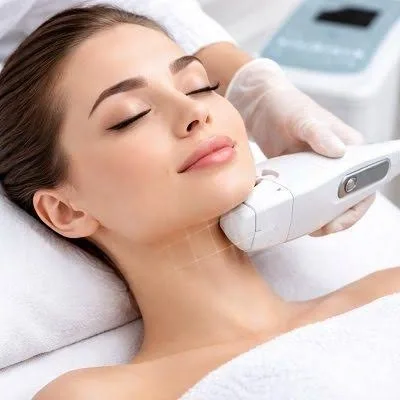
HIFU Face Lift: Benefits, Risks and Recovery
Aging is a natural process that can gradually affect skin firmness, elasticity, and facial definition. Fine lines may become more noticeable, the jawline may appear less defined, and loose skin can develop around the cheeks, chin, and neck. For people who want to address these changes without traditional facelift surgery, High-Intensity Focused Ultrasound (HIFU) may be an option worth exploring.
A HIFU face lift is a non-surgical aesthetic treatment that uses focused ultrasound energy to target selected tissue layers beneath the skin. Depending on the device and treatment plan, it may help improve the appearance of skin tightness and facial contours over time.
At The Skin Care Studio in Lahore, clients interested in non-surgical facial rejuvenation can learn about HIFU, its potential benefits, possible risks, and the recovery process before deciding whether the treatment suits their needs.
This guide explains how HIFU works, who may benefit from it, what to expect during treatment, and how to care for your skin afterward.
What Is a HIFU Face Lift?
HIFU stands for High-Intensity Focused Ultrasound. It is a technology that delivers focused ultrasound energy to specific depths beneath the skin. In aesthetic applications, this energy creates controlled thermal effects in targeted tissue, which may stimulate a collagen response and support gradual improvements in skin firmness.
Collagen is an important structural protein that helps maintain the skin's strength and elasticity. Its production and organization change as the skin ages, contributing to the appearance of fine lines and reduced firmness.
Unlike a traditional surgical facelift, a cosmetic HIFU treatment does not involve surgical incisions or the removal of excess skin. It is designed for people seeking a non-surgical approach to selected signs of skin laxity.
However, HIFU is not equivalent to surgery, and the degree of improvement depends on factors such as skin condition, facial anatomy, treatment settings, and the device used.
If you are considering treatment, you can explore the HIFU Face Lifting Treatment at The Skin Care Studio to learn more about the available service.
How Does HIFU Face Lift Treatment Work?
A HIFU device delivers focused ultrasound energy beneath the skin without intentionally treating the entire surface in the same way as some resurfacing procedures. The depth and distribution of energy depend on the device, its applicators, and the practitioner's treatment plan.
The controlled thermal effects may stimulate tissue responses associated with collagen remodeling. As these processes develop, some individuals may notice gradual changes in skin firmness and facial definition.
Treatment may be considered for selected areas, including:
Jawline: To improve the appearance of mild skin laxity around the lower face.
Cheeks: To address selected areas where skin firmness has decreased.
Under the chin: To improve the appearance of skin laxity and support a more defined-looking chin area.
Neck: To address certain signs of loose skin, where appropriate.
Brow area: Some devices and protocols are designed for carefully selected lifting applications around the eyebrows.
Not every HIFU device is suitable for every facial area. Treatment should only be performed within the device's intended use by an appropriately trained professional.
Benefits of HIFU Face Lift
HIFU may offer several advantages for people with mild to moderate skin laxity who want to explore non-surgical treatment options. The benefits vary between individuals, and no particular result can be guaranteed.
1. Non-Surgical Skin Tightening
One of the main reasons people consider HIFU is that it does not require a traditional surgical facelift. The treatment uses focused ultrasound energy rather than surgical removal of skin.
For suitable candidates, it may help improve the appearance of skin firmness without the incisions associated with surgery.
2. Improved Facial Definition
Changes in skin firmness can affect the appearance of the jawline, cheeks, and lower face. HIFU may help selected individuals achieve a firmer-looking facial contour.
It is important to understand that HIFU is not a weight-loss treatment and cannot reliably remove substantial facial fat or correct every cause of a double chin.
3. Support for Collagen Remodeling
Collagen helps provide structural support to the skin. The controlled energy delivered during aesthetic HIFU treatment is intended to stimulate a response in targeted tissue.
Any visible improvement develops according to the individual's skin response, treatment parameters, and other personal factors. Results are not necessarily immediate.
4. No Traditional Surgical Incisions
Because cosmetic HIFU is non-surgical, it does not require the incisions and stitches associated with a conventional facelift.
Nevertheless, non-surgical does not mean risk-free. The energy must be delivered at appropriate depths and settings to reduce the possibility of unwanted tissue injury.
5. Limited Downtime for Many People
Many people can return to normal daily activities soon after a cosmetic ultrasound skin-tightening procedure. Some may experience temporary redness, swelling, tenderness, or tingling.
Recovery varies depending on the treatment area, device, energy settings, and individual response. Follow the aftercare instructions provided by your practitioner.
6. Gradual-Looking Results
Some people prefer gradual changes rather than a dramatic alteration in facial appearance. HIFU may offer this possibility because collagen-related changes can develop over several months.
The final outcome is unpredictable, however, and may be subtle. A consultation can help establish realistic expectations before treatment.
Who May Be Suitable for HIFU Face Lift?
HIFU may be considered by adults who have mild to moderate skin laxity and want to explore a non-surgical approach to facial tightening.
You may wish to discuss HIFU with a qualified professional if you:
Have noticed mild sagging around the jawline or lower face.
Want to improve the appearance of selected areas of loose skin.
Prefer to explore non-surgical options before considering surgery.
Understand that results may be gradual and limited.
Are willing to discuss potential risks and realistic outcomes before treatment.
HIFU may be less suitable for people with substantial excess skin, significant facial volume loss, or concerns that require a different approach.
A practitioner should review your medical history, skin condition, facial anatomy, previous aesthetic treatments, and expectations before recommending a procedure.
Pregnancy, certain medical conditions, active skin problems, implanted devices, or previous procedures may affect treatment suitability depending on the device and treatment area. Disclose your medical history and ask your provider whether any precautions apply to you.
What Happens During a HIFU Face Lift Session?
Knowing what to expect can help you prepare for a consultation and make an informed decision.
Step 1: Initial Consultation
The practitioner discusses your concerns, medical history, previous procedures, and desired outcome. Your skin and facial structure are assessed to determine whether HIFU is appropriate.
This is also the time to discuss alternative treatments, likely benefits, potential complications, and the total cost.
Step 2: Skin Preparation
If treatment is appropriate, the skin is prepared according to the device manufacturer's instructions and the clinic's treatment protocol.
The practitioner should explain the device being used, the areas being treated, and any relevant precautions.
Step 3: Application of Ultrasound Energy
The treatment applicator is positioned against the selected area, and focused ultrasound energy is delivered according to the treatment plan.
You may feel warmth, tingling, pressure, or brief discomfort. The intensity of these sensations varies between people and treatment areas. Tell the practitioner if you experience unusual or severe pain.
Step 4: Completion and Aftercare Advice
Once the planned treatment is complete, the practitioner checks the treated area and explains the recommended aftercare.
The duration of a session varies depending on the device and the areas treated. Your provider should give you a realistic estimate before the appointment.
What Are the Risks and Side Effects of HIFU?
Although HIFU is non-surgical, it can cause side effects. The risks depend on the equipment, treatment settings, practitioner's training, and the individual's anatomy.
Potential side effects include:
Temporary Redness and Swelling
Some people experience redness or mild swelling following treatment. These effects are generally temporary, but their duration varies.
Tenderness or Discomfort
The treated area may feel tender, sensitive, or sore. Mild discomfort can sometimes persist beyond the first few days.
Bruising or Tingling
Minor bruising or tingling may occur in some individuals. Inform your practitioner if these symptoms persist, worsen, or concern you.
Burns or Unwanted Tissue Injury
Excessive or incorrectly delivered energy can cause burns or other tissue damage. Appropriate equipment, correct settings, and suitable practitioner training are important safety considerations.
Nerve-Related Symptoms
Nerve irritation or injury is a potential concern with improperly targeted energy. New numbness, facial weakness, or changes in facial movement should not be dismissed as routine recovery symptoms.
Uneven Results
The treatment may produce less improvement than expected or uneven changes in appearance. HIFU cannot guarantee symmetry or a particular degree of lifting.
Seek prompt medical assessment if you experience severe or worsening pain, significant swelling, blistering, persistent numbness, facial weakness, or other unexpected symptoms.
For further reading about cosmetic ultrasound treatments and their potential effects, consult the Cleveland Clinic's guide to ultrasound skin tightening.
HIFU Face Lift Recovery: What Should You Expect?
One attraction of HIFU is that many people do not need an extended recovery period. However, your skin may still require attention after treatment.
Immediately After Treatment
You may notice mild redness, tenderness, swelling, or sensitivity. Your skin may look similar to normal shortly afterward, but the absence of visible redness does not necessarily indicate that no tissue response has occurred.
Follow the instructions given by your practitioner rather than applying unapproved products or treatments.
During the First Few Days
Keep your skincare routine gentle if your skin feels sensitive. Avoid rubbing or aggressively massaging the treated area unless your practitioner specifically advises otherwise.
Use a gentle cleanser, moisturizer, and broad-spectrum sunscreen suitable for your skin. Follow any individualized instructions regarding exercise, heat exposure, or active skincare ingredients.
During the Following Weeks
Some people experience lingering tenderness or other mild sensations. The recovery timeline varies, so contact your practitioner if symptoms are persistent or worsening.
Avoid scheduling additional energy-based procedures on the treated area without professional advice.
Over the Following Months
Any improvement associated with collagen remodeling may develop gradually over approximately three to six months, although timing and results differ between individuals and devices.
Your practitioner can advise whether a follow-up assessment is appropriate and whether additional treatment is suitable.
How Can You Maintain Your Results?
Although no skincare routine can stop the natural aging process, consistent skin care can help support skin health.
Use sunscreen daily. Choose a broad-spectrum sunscreen with SPF 30 or higher and reapply as directed, particularly when spending time outdoors.
Maintain a gentle skincare routine. Use products that suit your skin type and avoid introducing multiple irritating products at once.
Support general skin health. Adequate sleep, balanced nutrition, hydration, and avoiding smoking can contribute to overall skin health.
Attend follow-up appointments when recommended. Your practitioner can assess your progress and discuss whether any further treatment is appropriate.
Do not assume that repeated HIFU sessions are automatically necessary. The appropriate frequency depends on the device, treatment plan, response, and professional assessment.
HIFU Face Lift vs Surgical Facelift
Both treatments aim to address certain signs of facial aging, but they differ significantly.
HIFU is a non-surgical option that may provide modest improvements in selected cases of skin laxity. It generally involves less recovery time than surgery, but the results are more limited and less predictable.
A surgical facelift involves an operation to reposition tissues and remove or redistribute excess skin. It can address more pronounced sagging but involves surgical risks, anesthesia considerations, and a longer recovery period.
Neither option is right for everyone. Your decision should depend on your anatomy, expectations, medical suitability, budget, and willingness to accept the risks associated with each procedure.
HIFU Face Lift in Lahore: Choosing the Right Clinic
If you are researching HIFU face lift treatment in Lahore, choosing a provider should involve more than comparing prices or promotional offers.
Before proceeding, consider the following:
Practitioner qualifications: Ask who will perform the procedure and what relevant training and experience they have.
Device information: Confirm the device's identity, intended use, and suitability for the planned treatment.
Personalized assessment: Make sure your skin and medical history are reviewed before treatment.
Clear risk information: Ask about side effects, complications, contraindications, and what to do if a problem develops.
Realistic expectations: A responsible provider should explain the limitations of HIFU and discuss alternatives where appropriate.
Aftercare support: Confirm how you can contact the clinic if you experience unexpected symptoms.
The Skin Care Studio is located in PIA Housing Scheme, Lahore, and provides aesthetic and skincare services for clients in Lahore and surrounding areas.
If you are interested in HIFU, you can explore the clinic's HIFU face lifting treatment page and arrange a consultation to discuss suitability, expected outcomes, and aftercare.
You can also visit the official website of The Skin Care Studio to learn more about the clinic and its services.
Frequently Asked Questions About HIFU Face Lift
1. Is HIFU face lift painful?
The sensation varies between individuals. Some people experience warmth, tingling, pressure, or brief discomfort during treatment. Ask your practitioner what to expect with the specific device being used.
2. How long does a HIFU face lift take?
The duration depends on the treatment area, device, and planned coverage. Your provider should estimate the appointment length during the consultation.
3. When will I see HIFU results?
Some people notice an early change, but collagen-related improvements may take around three to six months to develop. Results vary and are not guaranteed.
4. How long do HIFU results last?
The duration varies according to age, skin condition, lifestyle, device, and treatment plan. Your practitioner can discuss maintenance options without promising a specific duration.
5. Is HIFU safe for everyone?
No. Suitability depends on your health, skin condition, anatomy, and the device used. A professional assessment is important before treatment.
6. Can HIFU remove a double chin?
HIFU may help improve the appearance of selected areas beneath the chin, depending on the device and cause of the concern. It does not reliably eliminate all double chins, particularly when fullness is mainly due to fat or other anatomical factors.
7. Can I return to work after HIFU?
Many people resume daily activities soon after treatment. Temporary tenderness, redness, or swelling may occur, so follow your provider's instructions.
8. Is HIFU better than a surgical facelift?
Neither is universally better. HIFU may suit people seeking modest, non-surgical improvement, while surgery can address more substantial skin laxity. A qualified professional can help you compare the options.
9. Does HIFU require repeated sessions?
Not everyone needs additional sessions. The decision depends on your response, the device, treatment goals, and professional advice.
10. Where can I ask about HIFU face lift treatment in Lahore?
You can visit The Skin Care Studio's official website to learn about its HIFU service and request a consultation. Discuss your concerns, medical history, potential risks, and expected results before making a decision.
Final Thoughts
A HIFU face lift may be worth considering if you want to explore non-surgical options for mild to moderate skin laxity. Its potential benefits include gradual improvements in the appearance of skin firmness and facial definition, with less recovery time than a traditional surgical facelift.
However, the treatment has limitations and possible complications. Results differ from person to person, and choosing suitable equipment and a properly trained practitioner is essential.
If you are considering HIFU face lift treatment in Lahore, The Skin Care Studio can be a starting point for learning about the procedure and arranging a consultation. Make your decision after receiving an individualized assessment and understanding the expected benefits, risks, alternatives, and aftercare requirements.
Medical disclaimer: This article is for general educational purposes and does not replace professional medical advice, diagnosis, or treatment. HIFU suitability and outcomes depend on the individual and the specific device and protocol used.