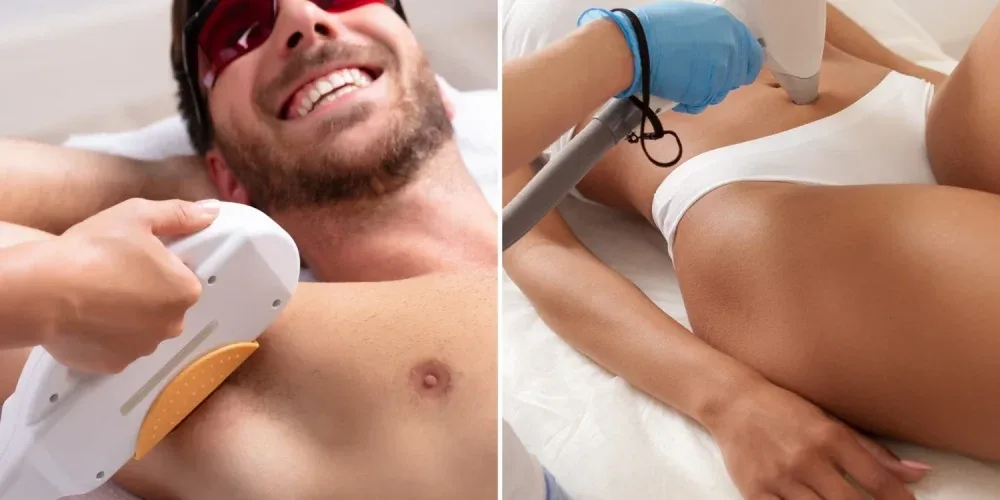
Does Laser Hair Removal Permanently Remove Hair? Complete Guide
Laser hair removal has become one of the most popular cosmetic treatments for people who want to reduce unwanted facial and body hair. Many people choose this treatment because it offers a longer-lasting alternative to traditional hair removal methods such as shaving, waxing, and threading. However, one common question people ask before starting treatment is: Does laser hair removal permanently remove hair?
The simple answer is that laser hair removal can significantly reduce hair growth over time, but it does not guarantee permanent removal of every hair follicle. Most people experience long-term hair reduction after completing their recommended treatment sessions. In many cases, the remaining hair becomes finer, lighter, and less noticeable. However, some hair may eventually grow back, and occasional maintenance sessions may be necessary.
Understanding how laser hair removal works, how many sessions are required, and what results you can realistically expect can help you make a better decision. In this guide, we explain the science behind laser hair removal, its effectiveness, treatment duration, possible side effects, and long-term benefits.
What Is Laser Hair Removal?
Laser hair removal is a cosmetic treatment that uses concentrated light energy to target unwanted hair follicles beneath the skin. The laser light is absorbed by melanin, which is the natural pigment found in hair. This light energy converts into heat, which damages the targeted hair follicle and reduces its ability to produce new hair.
Unlike shaving, which only removes visible hair from the surface of the skin, laser hair removal targets the structures responsible for hair growth. This is why it can provide longer-lasting results than conventional hair removal techniques.
Laser hair removal can be performed on different areas of the body, including the face, upper lip, chin, underarms, arms, legs, chest, back, and bikini area. The treatment is suitable for many people, although the results depend on individual skin tone, hair colour, hair thickness, hormonal activity, and the type of laser technology used.
Does Laser Hair Removal Permanently Remove Hair?
Laser hair removal is generally described as permanent hair reduction rather than guaranteed permanent hair removal. This distinction is important because the treatment can significantly reduce the number of actively growing hair follicles, but it cannot guarantee that every treated follicle will remain inactive forever.
After completing multiple sessions, many people notice a considerable decrease in hair density and thickness. Hair that continues to grow may appear softer, finer, and less visible than before treatment. Some individuals experience long periods with very little regrowth, while others may require occasional maintenance sessions.
The effectiveness of treatment also depends on the area being treated. For example, underarm and leg hair may respond differently from facial hair because facial hair growth can be influenced by hormonal changes. Pregnancy, certain medications, and other hormonal factors may also contribute to new hair growth.
Therefore, laser hair removal can provide long-term improvement and reduce the need for frequent shaving or waxing, but individual results vary.
How Does Laser Hair Removal Work?
Laser hair removal works through a process known as selective photothermolysis. During this process, concentrated light energy is absorbed by the pigment inside the hair. The absorbed energy produces heat that travels towards the hair follicle and damages its hair-producing structures.
The treatment is most effective when the hair is in its active growth phase, known as the anagen phase. Hair does not grow continuously in one cycle. Different follicles enter their growth phases at different times, which means a single laser session cannot effectively target every hair.
This is the main reason multiple treatment sessions are required. With each appointment, additional follicles can be treated when their hairs enter the appropriate growth stage.
Following treatment, affected hairs gradually shed over the next several days or weeks. The treated area may initially appear to have continuing hair growth, but some of these hairs are actually shedding from the follicles.
How Many Sessions Are Required for Long-Term Hair Reduction?
The number of laser hair removal sessions depends on several individual factors, including the treatment area, hair density, hair colour, skin tone, and personal response to the procedure. Many people require approximately six to eight sessions or more to achieve noticeable long-term hair reduction.
Facial hair may require additional treatments because hormonal influences can stimulate continued growth. Underarms and legs may respond differently depending on hair thickness and growth cycles. Larger areas, such as the back and chest, may also require a personalised treatment schedule.
The time between appointments is equally important. Treatments are usually scheduled according to the natural hair growth cycle of the selected area. Attending sessions too frequently may not provide additional benefits because the treatment needs to target hairs during their active growth phase.
A professional assessment can help determine how many sessions may be appropriate for your individual requirements.
How Long Do Laser Hair Removal Results Last?
Laser hair removal can provide long-lasting hair reduction, with results that may continue for months or years after completing the initial treatment course. However, the duration varies from person to person.
Some people experience minimal hair regrowth after their sessions, while others may notice occasional fine hairs returning over time. Hormonal changes can also influence the results, particularly in areas such as the chin, upper lip, and jawline.
The quality of the treatment, the laser technology used, and the number of completed sessions can all influence the final outcome. Following professional aftercare instructions and attending recommended maintenance appointments can help manage any regrowth.
It is important to understand that no cosmetic laser treatment can guarantee that unwanted hair will never return. Realistic expectations are an important part of achieving satisfaction with the treatment.
Which Hair Types Respond Best to Laser Hair Removal?
Laser hair removal generally works best on dark, coarse hair because darker hair contains more melanin. The pigment absorbs the laser energy more effectively, allowing heat to reach the targeted follicle.
People with lighter skin and dark hair have traditionally experienced particularly effective results. However, modern laser technologies offer options for treating a wider range of skin tones when suitable equipment and carefully selected settings are used.
Blonde, white, grey, and some red hair types may respond poorly to conventional laser hair removal because they contain less of the pigment required for effective laser targeting. Very fine hair can also be more difficult to treat.
A professional consultation is important before beginning treatment because the appropriate laser wavelength and settings must be selected according to the individual's skin and hair characteristics.
Is Laser Hair Removal Safe for Different Skin Tones?
Laser hair removal can be suitable for different skin tones, including darker skin, when the correct technology and treatment settings are selected. However, darker skin contains more melanin in the surrounding skin, which means careful treatment selection is especially important.
Certain laser wavelengths, such as long-pulsed Nd lasers, may be considered for darker skin types because they can target hair follicles while reducing unwanted absorption by surrounding skin when appropriately used.
Incorrect settings or unsuitable equipment may increase the risk of burns, blistering, or pigmentation changes. This is why treatment should be performed by a properly trained professional who understands different skin types and laser technologies.
A skin assessment and, where appropriate, a test patch can help evaluate how the skin responds before treating a larger area.
What Are the Benefits of Laser Hair Removal?
One of the main advantages of laser hair removal is its ability to reduce unwanted hair for an extended period. People who regularly shave or wax may find the treatment helpful because it can reduce the frequency of these activities.
Reduced hair growth may also help some individuals who experience shaving-related irritation or ingrown hairs. Since laser treatment targets the hair follicle, it can reduce the amount of hair available to become trapped beneath the skin.
Another advantage is convenience. Once the recommended treatment course is completed, many people spend less time managing unwanted hair. The skin may also feel smoother because the density and thickness of regrowing hair can decrease.
However, the benefits depend on individual suitability and treatment response. A consultation can help establish whether laser hair reduction is an appropriate option.
Does Laser Hair Removal Work on Facial Hair?
Laser hair removal can be used to reduce unwanted facial hair on areas such as the upper lip, chin, cheeks, and jawline. Facial hair can be particularly challenging because its growth is sometimes influenced by hormones.
Women experiencing hormonal facial hair growth may require additional sessions or occasional maintenance treatments. In some cases, new hair can develop even after an effective treatment course because previously inactive follicles may become stimulated.
Dark and coarse facial hair generally responds better than very fine or light-coloured hair. A professional assessment is recommended to determine whether laser treatment is suitable for the specific facial area.
People experiencing sudden or excessive facial hair growth should also consider discussing possible hormonal causes with a healthcare professional.
What Happens If You Stop Laser Hair Removal After a Few Sessions?
Stopping laser hair removal before completing the recommended treatment course may result in less consistent hair reduction. This happens because each session targets only a proportion of hair follicles that are in the appropriate growth phase.
If treatment is stopped too early, some follicles may remain unaffected and continue producing hair. You may notice that certain areas have reduced hair density while other areas continue to experience more noticeable growth.
This does not mean the previous sessions have provided no benefit. Some treated follicles may already have experienced lasting damage. However, completing the recommended course generally provides a better opportunity to achieve consistent results.
If you need to pause your appointments, discuss the treatment schedule with your practitioner before deciding when to resume.
How Should You Prepare for Laser Hair Removal?
Preparing your skin properly before laser hair removal can help reduce the risk of irritation and support a safer treatment experience. Your practitioner may recommend avoiding tanning and excessive sun exposure before your appointment because recently tanned skin can be more sensitive to laser energy.
Waxing, threading, and plucking should generally be avoided before treatment because these methods remove the hair from its root. The laser needs pigment within the hair follicle to work effectively. Shaving is usually recommended because it removes visible hair without removing the follicle.
It is also important to inform your practitioner about any medications, skincare products, previous cosmetic procedures, or skin conditions that may affect treatment suitability. Following the clinic's preparation instructions can help ensure that your skin is ready for the procedure.
What Should You Do After Laser Hair Removal?
After laser hair removal, the treated area may experience temporary redness, mild swelling, or a warm sensation. These effects are generally short-lived, although individual reactions may vary.
Gentle skincare is recommended during the initial recovery period. Avoid excessive heat, harsh exfoliation, and unnecessary friction until the skin has settled. Applying a cool compress may help relieve temporary discomfort when recommended by your practitioner.
Sun protection is particularly important after treatment because the skin may be more sensitive to ultraviolet exposure. Using broad-spectrum sunscreen on exposed treated areas can help reduce the risk of pigmentation changes.
You should also avoid scratching or picking at treated skin. If you notice blistering, significant pain, or unusual skin changes, contact your treating professional for advice.
Is Laser Hair Removal Better Than Waxing and Shaving?
Laser hair removal and traditional hair removal methods work in different ways. Shaving cuts visible hair at the skin's surface, which means regrowth can become noticeable within a few days. Waxing removes hair from the root, but the follicles remain capable of producing new hair.
Laser hair removal targets the hair follicle and aims to reduce its ability to produce hair. This makes it a longer-term option for people who want to manage unwanted hair without frequent shaving or waxing appointments.
Although laser treatment generally requires a higher initial investment and multiple sessions, it may provide greater convenience over time. The right option depends on your personal preferences, skin sensitivity, budget, and expectations.
Where Can You Get Laser Hair Removal in Lahore?
Choosing an experienced clinic is an important step when considering laser hair removal. The technology, treatment settings, practitioner experience, and assessment process can all influence your experience and results.
The Skin Care Studio in Johar Town, Lahore, provides cosmetic skincare and laser treatment services for people interested in managing unwanted facial and body hair. Before beginning treatment, an individual consultation can help assess your skin type, hair characteristics, and treatment requirements.
If you are interested in reducing unwanted hair across multiple body areas, explore our Full Body Hair Removal in Johar Town Lahore service page for additional information.
You can also learn more about laser hair removal safety, treatment expectations, and professional guidance through the American Academy of Dermatology.
The Skin Care Studio aims to help clients understand their available treatment options and make informed decisions according to their individual skincare needs.
Frequently Asked Questions About Permanent Laser Hair Removal
Does laser hair removal permanently remove all hair?
Laser hair removal can provide significant and long-lasting hair reduction, but it does not guarantee the permanent removal of every hair. Some follicles may recover, and new hair growth may occur over time.
How many laser hair removal sessions are needed?
Many people require approximately six to eight sessions or more. The exact number depends on the treatment area, hair thickness, skin tone, hormonal factors, and individual response.
Can hair grow back after completing laser hair removal?
Yes, some hair may grow back after treatment. However, regrowth is often finer and less noticeable. Occasional maintenance sessions may help manage returning hair.
Is laser hair removal permanent for underarms?
Underarm laser hair removal can provide significant long-term hair reduction. However, individual results vary, and some people may require maintenance treatments.
Does laser hair removal work on thin hair?
Laser hair removal may be less effective on very fine hair because it contains less melanin. Darker and coarser hair generally responds better to conventional laser treatment.
Can I shave after laser hair removal?
Shaving is generally permitted between treatment sessions once the skin has settled. Waxing, plucking, and threading should generally be avoided because they remove the hair root.
Is laser hair removal painful?
Most people describe the sensation as a mild snapping or warm feeling against the skin. Comfort levels vary depending on the treatment area, device, and individual sensitivity.
Can laser hair removal cause skin damage?
Temporary redness and swelling are common possible side effects. Burns, blistering, scarring, and pigmentation changes are less common but possible, particularly when unsuitable settings are used.
Is laser hair removal suitable for men and women?
Yes, laser hair removal can be performed on suitable areas for both men and women. Treatment plans depend on hair characteristics, skin type, and individual goals.
When will I see results from laser hair removal?
Some people notice reduced hair growth after their first few sessions. More significant reduction generally develops gradually as additional treatment sessions target follicles during their active growth phases.
Final Thoughts: Is Laser Hair Removal Worth It?
Laser hair removal can be an effective long-term solution for people who want to reduce unwanted facial and body hair. Although it cannot guarantee that hair will never grow again, multiple treatment sessions can significantly reduce hair density and make regrowth less noticeable.
The best results depend on choosing suitable laser technology, completing the recommended treatment course, and following professional aftercare instructions. Individual skin and hair characteristics should always be considered before starting treatment.
If you are considering laser hair removal in Lahore, The Skin Care Studio can help you understand the available treatment options and discuss a suitable approach based on your individual needs.